Easy and Delicious Recipes

Author: Sarah Berthold

Peanut Butter Skrewball Whiskey Cocktail Recipe

Peanut Butter Skrewball Whiskey Cocktail Recipe

We have a Peanut Butter Skrewball Whiskey Cocktail recipe so that you can enjoy a nice whiskey cocktail with your friends or during the holiday season. If you’re looking for some new cocktail recipes, this peanut butter whiskey and chocolate liqueur are perfect for you. Read More

Homemade Polish Cabbage Pierogi Recipe

Homemade Polish Cabbage Pierogi Recipe

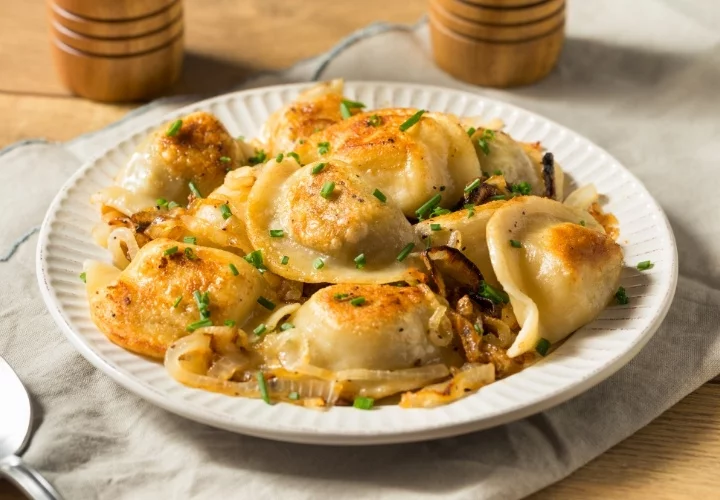
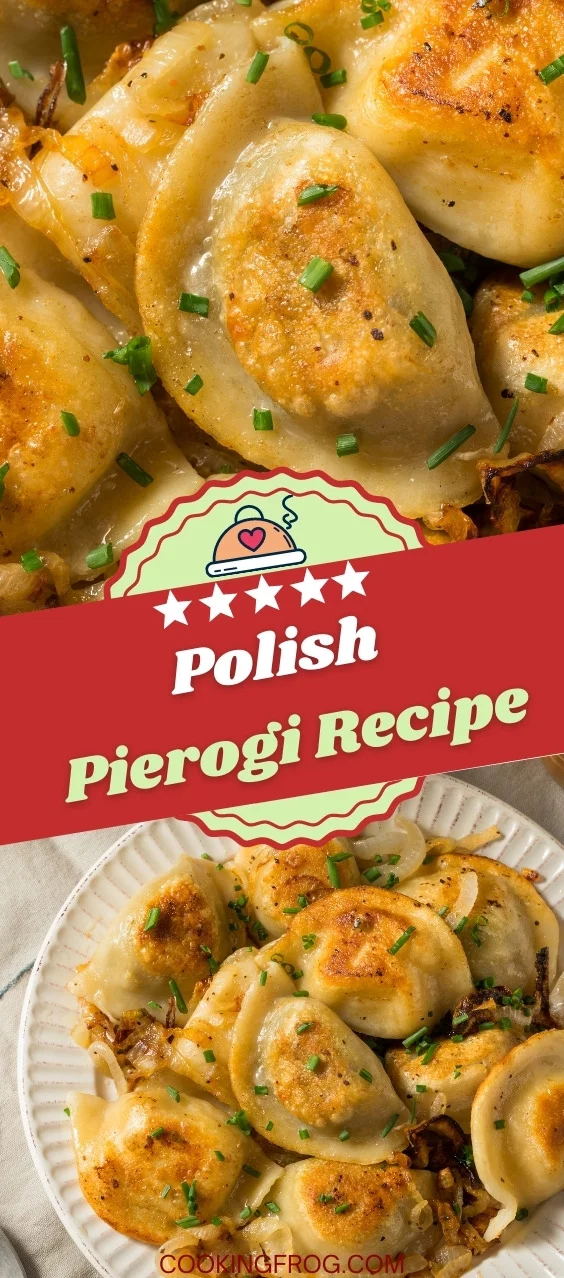
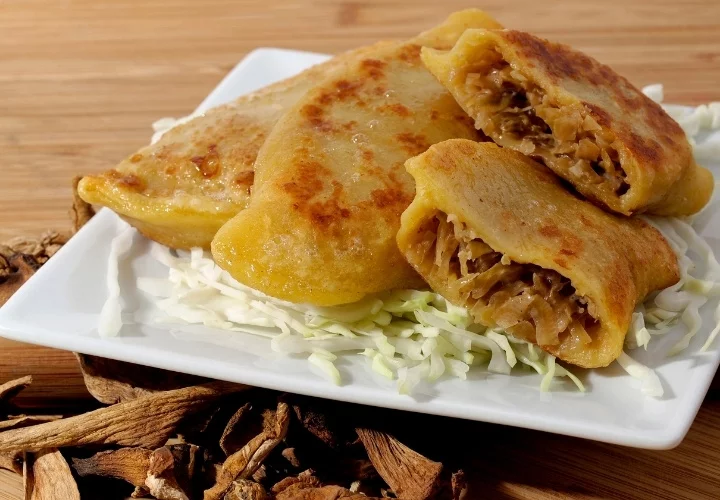
I have a love affair going on with pierogi. Actually, I have a love affair going on with anything dumpling, but these Cabbage Pierogi are one of my favorites. I don’t know what it is about them, but I always feel like it’s a better Read More

Authentic Arby’s Jamocha Shake Copycat Recipe

Authentic Arby’s Jamocha Shake Copycat Recipe

It’s time for another copycat recipe from Arby’s menu! After Arby’s Bronco Berry Sauce and Arby’s Beef and Cheddar Sandwich is time for Arby’s Jamocha shake.  A few months ago, I was at Arby’s and noticed they had a Jamocha Shake. I had never tried this popular shake before, believe it or not,  but I put it on my to-do list to try out.

I’ve never been a fan of the Jamocha Lattes at Starbucks, so I was a bit skeptical about this shake. I decided to get one, and I also got a regular shake to try out. The Jamocha Shake was delicious. I like it better than the Jamocha Lattes at Starbucks, as I enjoyed my Jamocha Shake and decided to try it at home. 

I have modified it and brought it down to simple ingredients that are easy to get for anyone looking for an easy drink recipe or just looking for an Authentic version of this Arby’s shake. Read on to see how I did it.

What is Arby’s Jamocha Shake?

Arby’s is a fast-food chain that prides itself on serving customers delicious roast beef sandwiches. On Thursday, January 12, 2017, Arby’s announced the release of their new Jamocha Shake.

After a poll ran on their website, Arby’s decided to release their new Jamocha Shake to the public!

This shake is a kind of milkshake with a bit of a twist. It’s not your typical milkshake. It’s loaded with ice cream, chocolate, and coffee, making it a very delicious treat. It is sure to be a hit with coffee and chocolate lovers everywhere. 

Oh, and It is so easy to Arby’s Jamocha Shake that even my kid can make it. 🙂 

It is so easy that my kid helped me make this Arby's Jamocha Shake. :)

Ingredients

  • ¾ cup whole milk (for extra creaminess; see tips for swaps)

  • 1½ cups cold brewed coffee (strong or mild, to taste)

  • 2 Tbsp sugar

  • 5 Tbsp chocolate syrup (plus more for drizzling)

  • 3 cups vanilla bean ice cream


Instructions

  1. Blend the Base:
    In a blender, combine cold coffee, whole milk, and sugar. Blend until the sugar is dissolved and the mixture is smooth.

  2. Add Ice Cream & Chocolate:
    Turn off the blender and add ice cream and chocolate syrup. Blend again until everything is smooth and creamy.

  3. Chill (Optional):
    For an extra thick shake, place the blender jar (or poured shake) in the fridge for 15–30 minutes to set up.

  4. Serve:
    Pour into glasses. Drizzle extra chocolate syrup over the top for that classic look. Enjoy immediately!


Tips & Tricks

  • Always turn the blender off before adding ice cream—no mess!

  • Whole milk gives the thickest shake, but feel free to use any milk you like.

  • Make sure your coffee is fully cooled so it doesn’t melt the ice cream.

  • Adjust the strength of your coffee to match your taste.

  • Chocolate syrup and chocolate sauce are both fine—use what you have.

  • For an extra-thick shake, add more ice cream until you reach your perfect consistency.

Pin the image below if you like this Arby’s Jamocha Shake Recipe!

Authentic Arby’s Jamocha Shake Copycat Recipe

What is the difference between Mocha and Jamocha?

These two beverages may seem the same, but they have very little in common. Mocha blends chocolate syrup, milk, and espresso. This drink has caffeine because it uses brewed coffee. On the other hand, Jamocha is a famous authentic shake by a fast-food restaurant and has a unique taste. It uses cold coffee and chocolate syrup, which is not like Mocha at all. 

How to Store Leftovers?

Don’t leave your shake in the refrigerator for more than 4-6 hours. If you keep it in the fridge for too long, it will become too liquidy. It is suggested to put it back into the freezer for 30 minutes to solidify.

Can I freeze Arby’s Jamocha shake?

I have been getting lots of questions about how to freeze Arby’s Jamocha Shake; I have no idea why. But I am going to do my best to answer this question. If you want to freeze Arby’s Jamocha Shake, then there are two things you need to remember. 

  • First, It will get an ice cream consistency and not a shake. 
  • Second, don’t leave it in the freezer for more than seven days in an airtight container. 

You can also freeze it and then blend it with ice cream. The results will be fantastic! It tastes just like a Wendy’s Frosty! 

How to create a vegan version of Arby’s Jamocha Shake?

Unfortunately, Arby’s doesn’t sell the vegan version of it. So, I decided to create a vegan version by reverse-engineering the original shake. It turned out great. So great that I will suggest all vegans try it. Simply use soy, coconut, or almond milk. Don’t forget to add dairy-free, plant-based vanilla ice cream to your shake as well. The rest of the steps will remain the same. 


Easy Chicken Tocino Recipe In No Time

Easy Chicken Tocino Recipe In No Time

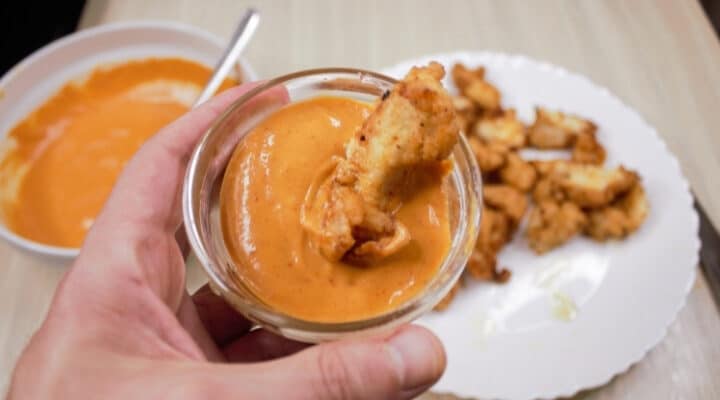
Are you ready for another amazing Filipino dish? For breakfast, lunch, or supper, try our delectable Chicken Tocino Recipe. It’s composed of pineapple juice, brown sugar, garlic powder, ketchup, and chili sauce. The Chicken Tocino recipe is an excellent genuine Filipino dinner. This Filipino recipe Read More

Homemade Beef Stroganoff Hamburger Helper Recipe (With a Twist)

Homemade Beef Stroganoff Hamburger Helper Recipe (With a Twist)

Homemade Beef Stroganoff Hamburger Helper Recipe – A rich pot full of beef that everyone will love. This is a great recipe to put on your list if you have a busy daily life. Hamburger Helper truly saved my life 😊 It takes approximately 40 Read More

The Best Japanese Cotton Cheesecake Recipe

The Best Japanese Cotton Cheesecake Recipe

Today we’re making another amazing Japanese dessert. Japanese Cotton Cheesecake is a lighter, fluffy, and more wobbly variation of a traditional cheesecake. It has just enough sweetness and is rich in taste just like a traditional cheesecake.

Japanese Cotton Cheesecake is my favorite dessert. I’m sure you will love this recipe! This is the perfect combination of cheesecake and sponge cake in taste and texture.

So let’s jump right into the recipe; however, I highly suggest you read through the whole article for the best resultse. 

Ingredients

  • 5 large eggs, separated

  • ½ cup sugar, divided

  • ⅓ tsp cream of tartar

  • 9 oz (255g) cream cheese, at room temperature

  • ½ cup milk (low-fat or whole)

  • 4 Tbsp unsalted butter, melted

  • 1 Tbsp lemon juice

  • 2 Tbsp cornstarch

  • 4 Tbsp all-purpose flour


Instructions

1. Prep the Pan & Oven

  • Line the bottom and sides of a 9-inch (23cm) springform pan with parchment paper.

  • Wrap the outside of the pan tightly with a few layers of foil (to prevent leaks during the water bath).

  • Preheat oven to 315°F (157°C).

  • Place a large roasting pan on the lowest rack of the oven and fill it halfway with hot water (for the water bath).

2. Make the Meringue

  • Separate the eggs—whites in a large bowl, yolks in a small bowl.

  • Beat egg whites on low for 30 seconds until foamy.

  • Add cream of tartar, then increase to medium-high and beat until soft peaks form.

  • Gradually add ¼ cup sugar while beating.

  • Continue until you get soft, shiny peaks (do not overbeat).

3. Make the Cheesecake Batter

  • In another large bowl, combine cream cheese and milk. Beat on low until smooth and creamy (about 2–3 minutes).

  • Add melted butter, lemon juice, remaining ¼ cup sugar, cornstarch, and flour. Beat until fully blended and smooth.

  • Add egg yolks and mix until just incorporated.

  • Strain the batter through a sieve for a perfectly smooth texture.

4. Combine Meringue & Batter

  • Gently fold ⅓ of the meringue into the cheesecake batter to lighten it.

  • Repeat with another ⅓, then fold in the remaining meringue until just combined—don’t overmix.

5. Bake

  • Pour the batter into the prepared pan. Smooth the top with a spatula.

  • Tap the pan gently on the counter to remove large air bubbles.

  • Place the springform pan in the preheated water bath in the oven.

  • Bake for 1 hour and 10 minutes, or until a toothpick inserted in the center comes out clean.

  • For a browned top, continue baking for another 10–15 minutes.

6. Cool Gradually

  • Turn off the oven. Leave the door slightly open and let the cake cool inside for 1 hour (this helps prevent collapse).

  • Remove from oven and pan. Transfer to a plate and refrigerate for 4–5 hours, or until fully chilled.

7. Serve

  • Slice and serve plain, or top with whipped cream, fresh fruit, fruit purees, or chocolate sauce.


Storage:

  • Keep leftover cheesecake covered in the fridge for up to 7 days.

Pin the image below if you like this Japanese Cheesecake Recipe!

The Best Japanese Cotton Cheesecake Recipe

What is Japanese Cotton Cheesecake?

It is often referred to as Japanese jiggly cake, Japanese souffle cheesecake or Japanese light cheesecake and Japanese cotton cheesecake. This cheesecake is made with less cream cheese and sugar than traditional cheesecakes. The addition of whipped meringue makes it light and fluffy.

You might want to check out this recipe for Asian Mango Sponge Cake!

Japanese Cotton Cheesecake taste

Japanese cotton cheesecakes are light and fluffy and have a sweet, tangy and rich texture.

This delicious cake is not as sweet as other cakes. It’s heavenly to combine fluffy cake and a bit of tart cream cheese. I am sure you will enjoy this Japanese Cheesecake recipe. This recipe is easy if you follow the exact instruction, however, if you diverge, just a little bit, it can be tricky to get it right.

What is the Secret of Japanese Cheesecake Fluffy and Jiggly Texture?

Whipping meringue is the secret to fluffy, jiggly Japanese Cheesecakes. The meringue acts like a rising agent lifting the cheesecake up just as it does in souffles. It also helps lighten the cheesecake’s texture. This makes the Japanese cheesecake fluffy inside and makes it jiggly.

Why is my Japanese Cotton Cheesecake dense and not fluffy?

There are several possible reasons why your Japanese cheesecake is dense instead of fluffy.

  • Too much air was lost when the white eggs mixture (meringue) was folded into the base batter.
  • There is a possibility that you’ve over whipped the meringue.
  • The cheesecake wasn’t properly baked.

How to make Japanese Cheesecake Fluffy and Jiggly

Make a fluffy, beautiful Japanese cheesecake by whipping the meringue until it reaches a soft-medium point. You’ll know when it’s done because the meringue will be shiny when it reaches this stage. The peak of the meringue should curve down and hooks rather than standing straight up.

Avoid whipping the meringue too stiffly. This will cause the meringue not to be properly incorporated into your batter base, which will lead to dense cheesecakes. Soft-medium peak cheesecakes will be the most fluffy and have the least shrinkage.

If you don’t mind the shrinkage, you can whip your meringue until it reaches a soft peak. You will get a cheesecake that is fluffy and is extra jiggly. This is how you can use different stiffnesses of meringue.

Japanese Cotton Cheesecake

Japanese Cotton Cheesecake Tips and Tricks

  • For this cheesecake to work, you must plan ahead as the eggs, butter and cream cheese perform the best at room temperature. Remove the cream cheese and butter from the refrigerator at least two hours before you start baking your cheesecake. Take the eggs out of the fridge about an hour before you start to bake the cake. For perfect Japanese Cotton cheesecake, the cream cheese and butter must be softened nicely. These ingredients can be microwaved on low for 20 seconds to make sure they are ready.
  • Cold eggs are easier to separate. To achieve the best texture, egg whites should be beaten at room temperatures.  Separate the eggs while they’re cold, after that, you can let them chill before you begin preparing the remaining ingredients.
  • An 8 by 3 inch round springform aluminum pan is highly recommended. Place the parchment paper 2 inches above the pan. Since the cake rises while baking, the parchment paper will make great support. The height of the parchment paper shouldn’t exceed five inches.
  • A water bath is necessary because this Japanese Cheesecake takes longer to bake than a normal cake. The water bath also insulates the cake, allowing it to cook at a consistent temperature. These are key factors in achieving a jiggly, moist texture in Japanese Cotton Cheesecake.
  • Make sure you fold the egg whites mixture (meringue) into your batter. Don’t beat the eggs or mix too hard, as this will cause them to become brittle.
  • Oven temperatures can vary so check the cake after an hour to make sure it is cooked. Bake the cake for about 1 hour and 10 minutes, or until it is golden brown. A bit of over-baking is not a big issue with Japanese Cotton Cheesecake. It won’t damage the cake. Just be careful you don’t undercook it. It can take as long as 1 1/2 hours depending on the oven. This is perfectly normal.
  • After cooling, the cake will shrink a bit. The deflating can be minimized by leaving the cake in the oven once it has been baked.
  • Before you eat the cake, let it cool for at least 4 hours, ideally 5 hours. The cold air helps to set the cream cheese, which in turn makes the Japanese cotton cheesecake taste and texture much better.
  • If you have cotton cheesecake leftovers, which I doubt you do, you can make this amazing deep-fried cheesecake


Crispy Air Fryer Corn Dogs Easy Recipe

Crispy Air Fryer Corn Dogs Easy Recipe

Today, we’re making the easiest Air Fryer Corn Dogs recipe you will find! These crispy air fryer corn dogs make a great meal for family or friends and are one of those meals that taste better in the air fryer. This is because the air Read More

Authentic Mushroom Swiss Burger Recipe

Authentic Mushroom Swiss Burger Recipe

I present to you an authentic mushroom Swiss burger recipe that combines tender beef patties, delicious Swiss cheese, and golden mushrooms to create one amazing burger. If I feel the need for a burger, I usually go for something familiar like a smash burger. But Read More

What is Masago and Masago Sushi Recipe

What is Masago and Masago Sushi Recipe

After Tobiko, we are going in-depth on what is masago and masago sushi recipe. Masago sushi is a special Japanese dish. If you don’t know the Japanese traditional masago recipe, or you want to learn how to make masago sushi perfect as a Japanese chef, this is the place for you.

We’re going to jump into the recipe first, and then you can continue reading to learn more about masago and masago sushi.

Ingredients for Masago Sushi

For sushi rice

  • 1 cup of short-grain sushi rice
  • 1 cup of water
  • 2 TBSP of sushi vinegar (optional)
  • 1/2 tsp of sugar
  • 1/2 tsp of salt

Pro Masago Sushi

  • 4 oz  of imitation crab
  • 1 thinly sliced avocado
  • 2 seaweed nori leaves
  • 1 TBSP of masago

How to make Masago Sushi

  • Rinse the rice first, then add the water together with rice to a rice cooker.
  • After the rice has been cooked, place it in a large bowl and then add the sugar, salt and sushi vinegar.
  • Cover the bamboo mat using a piece of the plastic wrapper on top. This will keep the rice from sticking to your bamboo mat.
  • Divide the nori slices by folding them in half and cutting them using scissors.
  • Add one-half of the nori leaf to the bamboo.
  • Spread 1 cup of cooked rice on the nori sheet evenly. Gently push it with your hands. To prevent it from sticking, you can wet your fingers with water.
  • It should be turned so that the nori faces up and the rice faces down.
  • Add the avocado and imitation crab slices to the nori.
  • Your thumbs should be under the bamboo mat. Lift the edge upward and cover the filling with your thumbs.
  • Roll the bamboo mat, and then apply light pressure to secure it. Continue scrolling until you reach the end.
  • Place the roll on a cutting board. Cut each roll into 10 pieces.
  • Masago: Sprinkle masago over each sushi piece. To distribute the masago evenly, you can use your hands.

Pin the image below if you like this Masago Sushi Recipe, it would mean a lot to me!

What is Masago and Masago Sushi Recipe

What is Masago (Capelin Roe)?

Masago, a Japanese term for edible capelin roe is a small egg of fish that is found in cold waters of the North Atlantic, North Pacific, and Arctic oceans. These small yellow eggs are about 1 millimeter wide (which is smaller than many fish eggs) and have a delicate fishy flavor. Masago is not like tobiko and ikura. It has a dull yellow color, but it can be dyed to an orange color to make it more appealing.

Masago can be used to add texture and flavor to sushi rolls and nigiri. Masago sauce can be made by adding a light cream to it, which is one of the most popular Japanese sauces.

Is Masago Caviar?

Masago, as I mentioned before, is a type or fish roe, or fish egg, not caviar. Caviar and masago are made from different types of fish. Both are egg fish, and both can be used as eggs. However, they differ in their treatment methods. 

Caviar is traditionally roe from sturgeon fish. Are they any different when it comes to prices? A 1 oz bag of masago can cost between $ 7-10. Caviar, however, can be above $100 for 1 oz.

How is Masago different from Tobiko

We’ve already made an article on Tobico and explained the difference. Tobiko is flying fish roe, while masago is cepelin roe. 

Masago is smaller than tobiko and, therefore is a popular alternative to tobiko for sushi rolls and masago sauces. Masago is a dull yellow color, which is different from the bright red tobiko. It can also be colored to add visual interest. Masago is similar in taste to tobiko but has a more crunchy texture. 

What is Masago and Masago Sushi Recipe

What does Masago taste like?

Masago is mildly similar to Tobiko. It’s slightly sweeter, more salty, and has a citrusy quality. If you’ve ever tried tobiko, you’ll know exactly what I’m talking about here. 

Unfortunately, Masago does not create a crackling mouth as larger fish roe. Just a little.

Ways to use Masago?

Masago can be used as a topping on sushi rolls. To give your sushi rolls a new taste, you can mix masago with yum-yum sauce or spicy Alfredo sauce. You can also add masago if you prefer cooked fish to this dish. Masago can be added to your salad.

  • As for toppings for sushi rolls, This is the most common use of masago. It adds a bright, crunchy texture and color to the sushi roll like the California Roll.
  • Masago sauce This is a combination of light cream sauces and masago that makes a delicious creamy sauce. It’s often used to top Japanese spaghetti noodles.
  • To the fillings in the roll: It’s often added to the fillings while rolling maki sushi to enhance flavor and texture.
  • As for decorations, Masago can be used to decorate many dishes with its bright orange color and is essential to create a lava look in Volcano Rolls.

You can also use Masago with:

  • Salads
  • Salmon (baked)
  • Pasta
  • Mashed avocado
  • Masago spaghetti
  • Masago Omelet

What side dish is best for Masago sushi?

Sushi isn’t always served with a side meal. It can be great on its own or with a simple sauce. There are many options for masago sushi that can be served with other dishes.

Some are simple dishes, while others are special ingredients for sushi.

Side dishes that are great for masago sushi include:

  • Miso soup
  • Surimon soup
  • Tsukemono (Japanese cucumbers)
  • Ohashi
  • Tempura
  • Wakame salad
  • Eggplant
  • Edamame
  • Green tea
  • Dango
  • Gyoza
  • Kani salad
  • Tamagoyaki

Health and nutrition of Masago

This is one of the most frequently asked questions about masago. Is masago safe and healthy for my body? Masago is one of your most powerful and healthy foods.

Masago is just filled with nutrients, high in protein, vitamin B12, and selenium, which are vital for our body’s health.

Masago is full of:

  • protein
  • vitamin B12
  • Selenium
  • Omega 3
  • Magnesium
  • Iron
  • Riboflavin

Masago has many health benefits:

  • Heart health
  • Eye health
  • Bone health.
  • Reduce arthritis symptoms
  • Muscle strength increases.
  • Lower blood pressure and cholesterol

Where can I buy masago?

As for most of my sushi ingredients, I buy Masago at my local Japanese grocery shops. You can also buy it online, but I highly suggest you find Japanese, or another Asian grocery store because of the quality. 

How do you store Masago?

Put the masago in insulated glass, cover it with plastic wrap, and place it in the refrigerator. Masago can be kept in the refrigerator for 4-6 days.

Masago can also be frozen, which I highly recommend. Masago can be frozen for six months.

How do you reheat the masago?

To reheat the masago after it has been frozen, you don’t need to heat it. Simply take it out of the freezer and let it thaw. You can speed up this process by placing the masago into a sealed container. Then, heat the container in warm water. It will take approximately 10 minutes for the masago to reach room temperature before you can use it.

Is masago raw?

Masago is a colored and flavored raw edible egg of the capelin fish. So, the answer is yes, masago is raw!

Masago Sushi Nutrition Facts

  • Calories: 46
  • Carbohydrates 7 g
  • Protein: 1,1 g
  • Fat: 1 g
  • Saturated fats 0.9 g
  • Cholesterol: 3.9 mg
  • Sodium: 39 mg
  • Potassium: 48 mg
  • Fiber: 1,1 g
  • Sugar: 1g
  • Vitamin A: 31 IU
  • Vitamin C: 1,5 mg
  • Calcium: 4 mg
  • Iron: 1 mg


The Best Mango Jelly Recipe

The Best Mango Jelly Recipe

This Mango Jelly Recipe is a favorite of everyone. You can keep in your pantry and make delicious sandwiches for the busy back-to-school season. This jelly is made with vibrant mango and can be used as a fruit dip or sandwich topping. I am always Read More