Easy and Delicious Recipes

Recent Posts

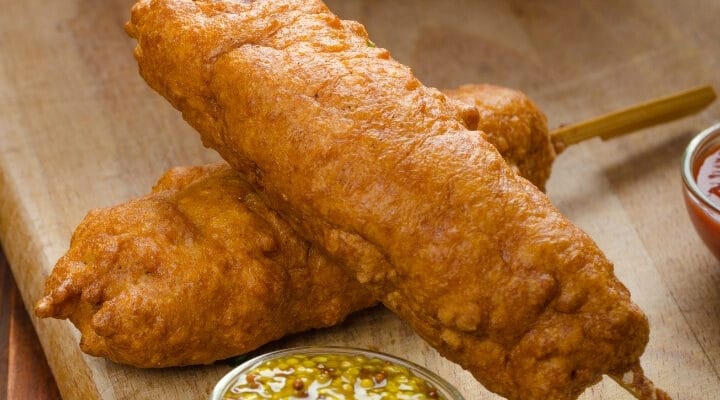
Crispy Air Fryer Corn Dogs Easy Recipe

Crispy Air Fryer Corn Dogs Easy Recipe

Today, we’re making the easiest Air Fryer Corn Dogs recipe you will find! These crispy air fryer corn dogs make a great meal for family or friends and are one of those meals that taste better in the air fryer. This is because the air Read More
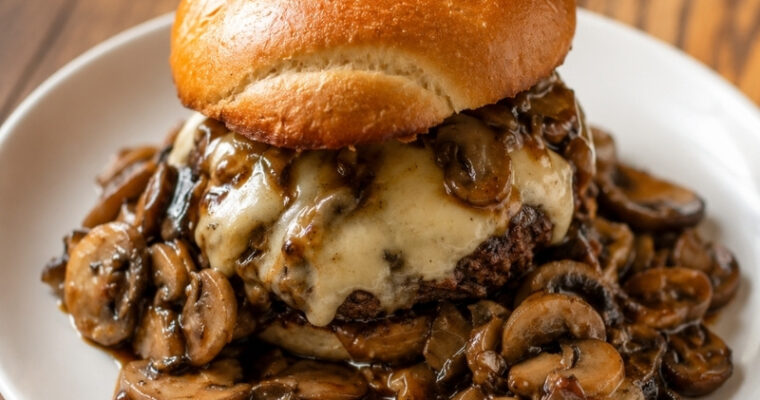
Authentic Mushroom Swiss Burger Recipe

Authentic Mushroom Swiss Burger Recipe

I present to you an authentic mushroom Swiss burger recipe that combines tender beef patties, delicious Swiss cheese, and golden mushrooms to create one amazing burger. If I feel the need for a burger, I usually go for something familiar like a smash burger. But Read More

What Is Masago? (Plus a Masago Sushi Recipe)

What Is Masago? (Plus a Masago Sushi Recipe)

Masago is capelin roe, the tiny yellow-orange fish eggs used as a topping and mix-in for sushi. It has a mild, faintly sweet flavor and a soft, delicate crunch, milder than tobiko and much smaller than salmon roe (ikura).

Sushi chefs use masago as a topping for maki rolls, mixed into creamy sauces, and folded into fillings. It’s naturally a dull yellow, though it’s often dyed orange to look closer to tobiko. The recipe below shows you how to make a masago-topped sushi roll at home. After that, you’ll find more on what masago tastes like, how it compares to tobiko and ikura, and how to buy and store it.

Masago Sushi Roll Recipe

For the sushi rice

  • 1 cup short-grain sushi rice
  • 1 cup water
  • 2 tablespoons rice vinegar
  • 1 teaspoon sugar
  • ½ teaspoon salt

For the rolls

  • 2 full sheets nori (seaweed)
  • 4 oz imitation crab, flaked
  • 1 avocado, thinly sliced
  • 2 tablespoons masago

You can swap the imitation crab for the same amount of cooked shrimp or real crab meat.

Instructions

1. Rinse and cook the rice

Rinse the sushi rice in a fine-mesh strainer under cold water until the water runs mostly clear, about 2 minutes. Add the rinsed rice and 1 cup of water to a rice cooker, or a saucepan, and cook according to your rice cooker’s instructions, or bring to a boil, cover, and simmer on low for 18 minutes.

2. Season and cool the rice

While the rice is still warm, whisk together the rice vinegar, sugar, and salt in a small bowl until the sugar dissolves. Spread the rice in a wide, shallow dish, pour the vinegar mixture over it, and fold gently with a spatula to coat every grain without mashing it. Let the rice cool to room temperature, about 15 minutes, before you start rolling.

3. Set up your rolling station

Cover a bamboo sushi mat with plastic wrap so the rice doesn’t stick to it. Fill a small bowl with water for wetting your hands between rolls.

4. Position the nori

Cut each nori sheet in half. Lay one half-sheet shiny-side down on the plastic-wrapped mat, with the long edge closest to you.

5. Spread the rice

Wet your hands, then spread about ¾ cup of sushi rice evenly over the nori, leaving a ½ inch border bare at the top edge. Flip the sheet over so the rice sits face-down on the mat and the bare nori faces up.

6. Add the filling

Lay a quarter of the imitation crab and avocado in a line across the center of the nori, about a third of the way up from the edge closest to you.

7. Roll the sushi

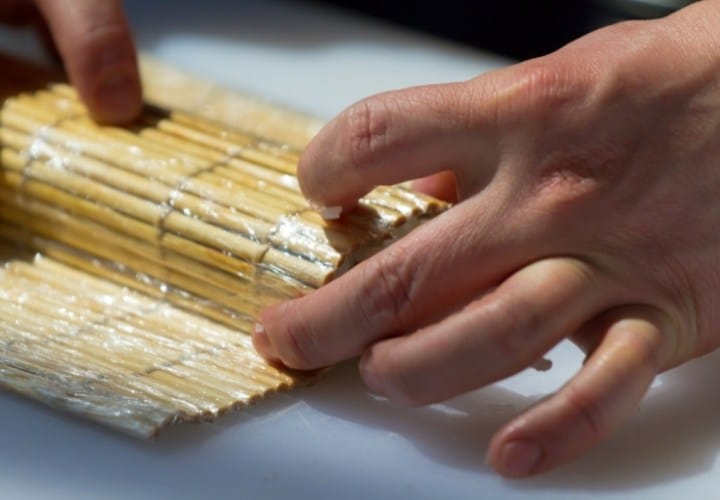
Lift the edge of the mat closest to you with your thumbs and roll it up and over the filling, pressing gently to tighten the roll as you go. Continue rolling to the far edge, using the mat to shape it into an even cylinder, then set it aside seam-side down. Repeat with the remaining nori, rice, and filling to make 4 rolls total.

8. Cut the rolls

Wipe your knife clean and wet the blade before each cut, this keeps the rice from sticking. Cut each roll into 5 even pieces, for 20 pieces total.

9. Top with masago

Sprinkle the masago evenly over the cut pieces, pressing lightly so it sticks to the exposed rice, then serve right away.

Yield: 4 rolls, about 20 pieces total.

Pin the image below if you like this Masago Sushi Recipe!

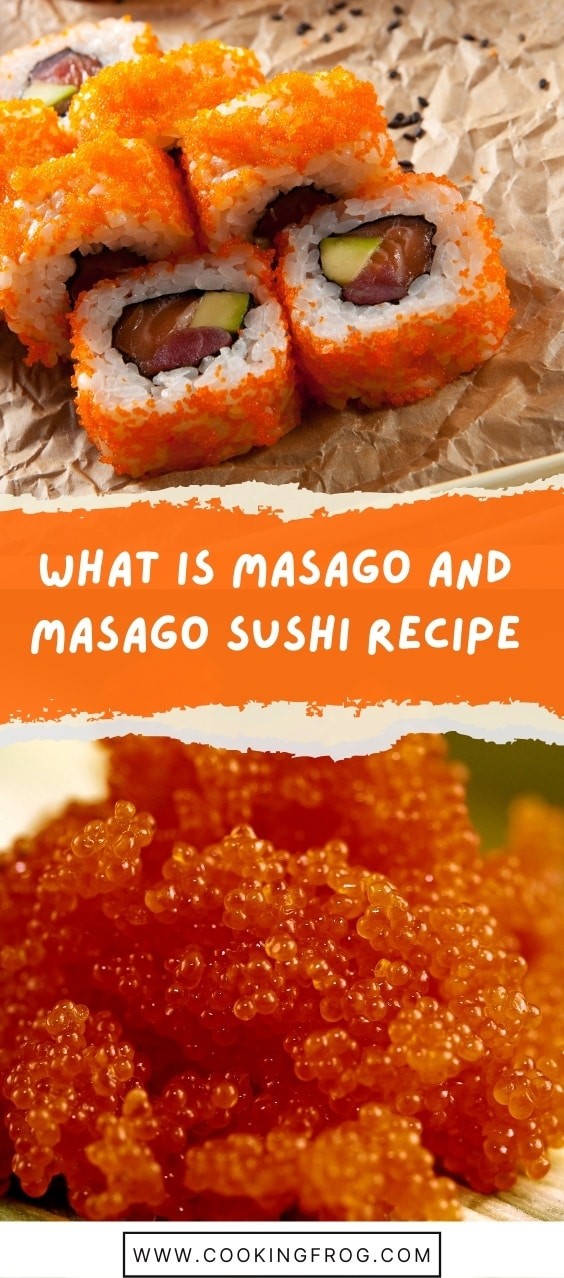
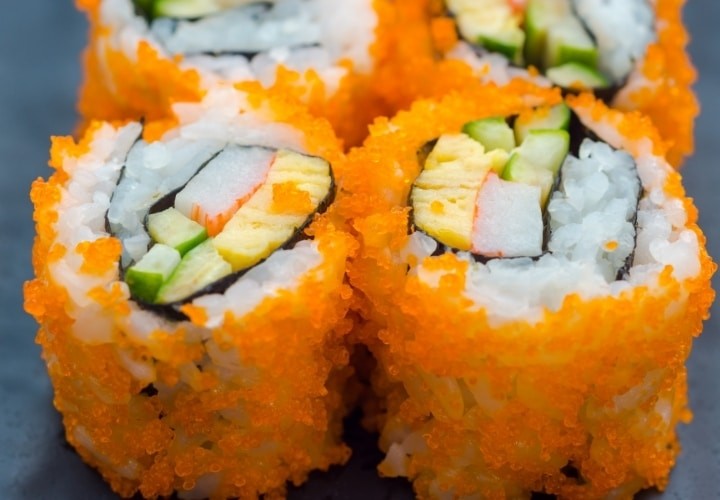
Sushi rolls coated in orange masago roe on parchment paper, with a close-up of masago roe below

What Does Masago Taste Like?

Masago tastes mild and faintly sweet, with a light salty edge and a subtle briny note. Each egg has a soft, delicate shell that gives a gentle crunch rather than the firm pop you get from tobiko. If you’ve had tobiko before, masago is a quieter, milder version of that same experience.

Masago vs. Tobiko vs. Ikura

Masago, tobiko, and ikura all show up on sushi menus, but they come from three different fish, so here’s how they actually compare.

Masago Tobiko Ikura
Source Capelin, a small smelt Flying fish Salmon
Egg size About 0.3 to 0.5 mm, the smallest of the three About 0.5 to 0.8 mm About 3 to 5 mm, much larger than both
Natural color Pale yellow to dull orange Pale orange to reddish-orange Deep orange-red
Texture Soft, with a light crunch Firm and crisp, with a distinct pop Thin membrane that bursts easily
Flavor Mild and faintly sweet Salty with a light smokiness Rich and briny, more pronounced fish flavor
Common use Topping for maki rolls, mixed into sauces Topping for maki rolls and garnish Served on its own over rice, or as a garnish
Price The least expensive of the three Mid-range The most expensive of the three

If a recipe calls for tobiko and you only have masago, or the other way around, you can generally swap one for the other. The texture and price will be a little different, but the swap won’t ruin a dish.

Is Masago Caviar?

Masago is a type of fish roe, not caviar. Caviar is traditionally roe from sturgeon specifically, cured and treated in a particular way. Masago, tobiko, and ikura are all fish roe too, but none of them are technically caviar, even though people use the word loosely to mean any small fish egg.

How to Use Masago

Masago’s mild flavor and soft crunch work well in more places than tobiko does. A few realistic ways to use it:

  • Sushi and rolls: the most common use, scattered over rolls like a California roll for color and texture.
  • Creamy sauces: stirred into a light mayo or cream-based sauce for drizzling over sushi rolls.
  • Roll fillings: mixed into the filling itself, rather than just on top, for texture throughout the roll.
  • Rice bowls and salads: a spoonful on top adds color and a mild briny bite.

Hands rolling a bamboo sushi mat while making a masago roll

Is Masago Safe to Eat Raw?

Most masago sold at grocery stores and sushi counters is prepared and packaged specifically to be eaten as is, but that doesn’t mean every jar is ready to eat straight from the package without a second thought. Check the label for instructions, since some products need to be thawed first or used within a short window after opening.

Always check the expiration date, keep masago refrigerated or frozen exactly as the package directs, and follow the manufacturer’s storage and handling instructions over any general rule of thumb. If you’re pregnant, immunocompromised, or otherwise following specific guidance around raw seafood, check with your doctor or a resource like the FDA’s guide to selecting and serving seafood safely before eating masago.

Where to Buy Masago

Look for masago at Asian grocery stores, Japanese markets, or the seafood counter of a well-stocked supermarket. It’s usually sold frozen or refrigerated in small jars or tubs.

If you’re buying it for the first time, a small jar is enough to try it before you commit to a bigger size. Check that the jar or tin is sealed, confirm the expiration date is well in the future, and read the label for how it should be stored and whether it needs to thaw before serving.

How to Store Masago

How long masago keeps depends heavily on the product. Some masago is pasteurized and shelf-stable until opened, while other masago is fresh and far more perishable, so the manufacturer’s instructions on the package take priority over any general rule of thumb.

As a general guide, an opened jar of refrigerated masago is usually good for about 5 to 7 days in the coldest part of your fridge, tightly sealed. If your masago is sold frozen, keep it frozen until you’re ready to use it, then thaw only the amount you need in the refrigerator instead of at room temperature or in warm water. Avoid refreezing masago once it has thawed, repeated freezing and thawing breaks down the texture and raises the risk of spoilage.

Masago’s mild flavor and soft crunch make it an easy way to dress up sushi rolls, rice bowls, and creamy sauces without much effort. Start with a small jar, keep it cold, and use it as the finishing touch it’s meant to be.

The Best Mango Jelly Recipe

The Best Mango Jelly Recipe

This Mango Jelly Recipe is a favorite of everyone. You can keep in your pantry and make delicious sandwiches for the busy back-to-school season. This jelly is made with vibrant mango and can be used as a fruit dip or sandwich topping. I am always Read More

Arby’s Beef and Cheddar Sandwich Copycat Recipe

Arby’s Beef and Cheddar Sandwich Copycat Recipe

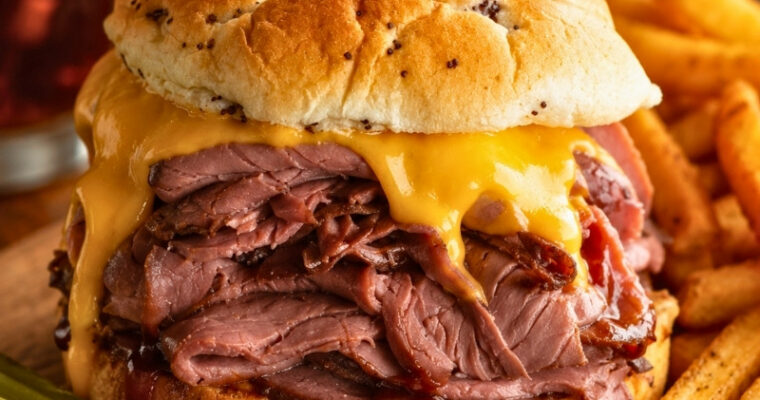
Get ready for another culinary journey, this time featuring the delicious Arby’s Beef and Cheddar sandwich, a crowd-pleaser straight from Arby’s menu. This delightfully rich sandwich comprises thinly sliced roast beef layered with creamy cheddar cheese sauce and tangy red ranch sauce. To finish off Read More

What Is Tobiko? (Plus a Tobiko Sushi Recipe)

What Is Tobiko? (Plus a Tobiko Sushi Recipe)

Tobiko is flying fish roe, the tiny, crunchy orange eggs you see on top of sushi rolls. It’s salty with a faint smokiness, and each egg has a thin shell that pops when you bite into it.

Sushi chefs use tobiko as a topping for maki rolls and a garnish for sashimi, poke bowls, and other Japanese dishes. Natural tobiko is orange, but it’s often dyed other colors with ingredients like squid ink, wasabi, or beet juice. The recipe below shows you how to make a tobiko-coated sushi roll at home. After that, you’ll find more on what tobiko tastes like, how it compares to masago and ikura, and how to buy and store it.

Tobiko Sushi Roll Recipe

For the sushi rice

  • 1 cup short-grain sushi rice
  • 1 cup water
  • 2 tablespoons rice vinegar
  • 1 tablespoon sugar
  • ½ teaspoon salt

For the rolls

  • 2 full sheets nori (seaweed)
  • 6 oz cooked shrimp, peeled, deveined, and halved lengthwise
  • ½ cucumber, cut into thin matchsticks
  • 1 avocado, thinly sliced
  • 3 tablespoons tobiko

You can swap the shrimp for the same amount of cooked crab, cooked salmon, or sushi-grade raw tuna.

Instructions

1. Rinse and cook the rice

Rinse the sushi rice in a fine-mesh strainer under cold water until the water runs mostly clear, about 2 minutes. This washes off extra starch so the rice doesn’t turn gummy. Add the rinsed rice and 1 cup of water to a rice cooker, or a saucepan, and cook according to your rice cooker’s instructions, or bring to a boil, cover, and simmer on low for 18 minutes.

2. Season and cool the rice

While the rice is still warm, whisk together the rice vinegar, sugar, and salt in a small bowl until the sugar dissolves. Spread the rice in a wide, shallow dish, pour the vinegar mixture over it, and fold gently with a spatula to coat every grain without mashing it. Let the rice cool to room temperature, about 15 minutes, before you start rolling.

3. Set up your rolling station

Cover a bamboo sushi mat with plastic wrap so the rice doesn’t stick to it. Fill a small bowl with water and a splash of rice vinegar for wetting your hands between rolls.

4. Position the nori

Lay one full sheet of nori shiny-side down on the plastic-wrapped mat, with the long edge closest to you.

5. Spread the rice

Wet your hands in the vinegar water, then spread about 1 cup of sushi rice evenly over the nori, leaving a ½ inch border bare at the top edge. Flip the sheet over so the rice sits face-down on the mat and the bare nori faces up.

6. Add the filling

Lay half the shrimp, cucumber, and avocado in a line across the center of the nori, about a third of the way up from the edge closest to you.

7. Roll the sushi

Lift the edge of the mat closest to you with your thumbs and roll it up and over the filling, pressing gently to tighten the roll as you go. Continue rolling to the far edge, using the mat to shape it into an even cylinder, then set it aside seam-side down. Repeat with the second nori sheet and the remaining rice and filling.

8. Coat with tobiko

Spread the tobiko out on a plate. Roll each finished sushi roll over the tobiko, pressing lightly so the roe sticks to the rice on all sides.

9. Cut and serve

Wipe your knife clean and wet the blade before each cut, this keeps the rice from sticking. Cut each roll into 8 even pieces and serve right away.

Yield: 2 rolls, about 16 pieces total.

Pin the image below if you like this Tobiko Sushi Recipe!

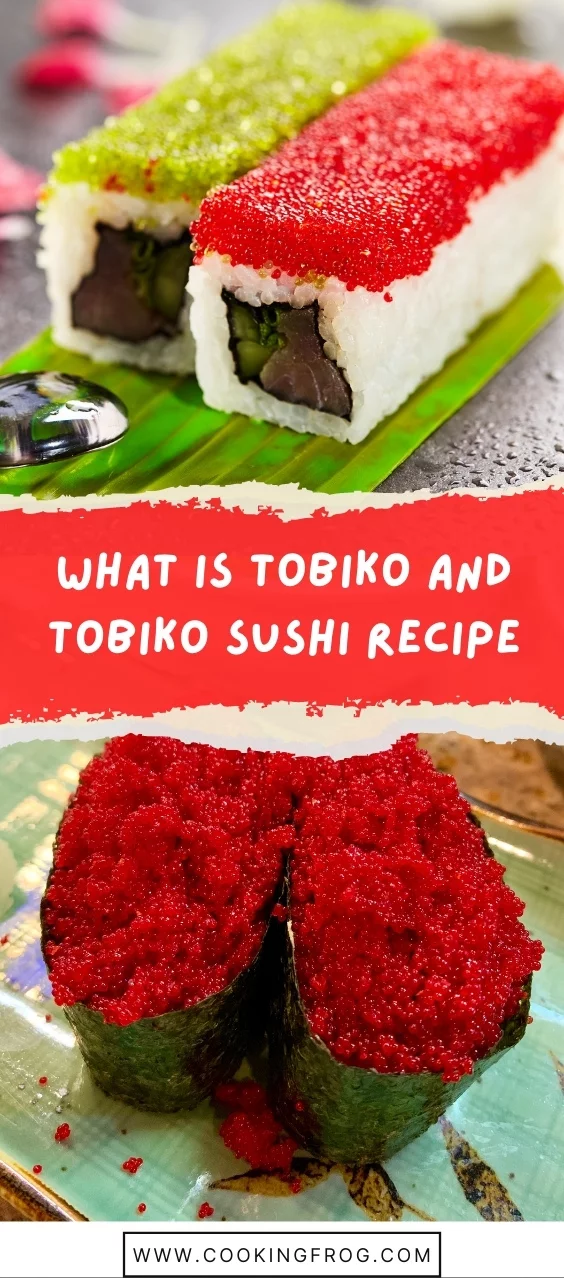
Two sushi rolls topped with green and red tobiko roe on a banana leaf, with a cross-section of red tobiko sushi below

What Does Tobiko Taste Like?

Tobiko tastes briny and lightly salty, with a faint smokiness that comes through more in the aftertaste than the first bite. Each egg has a thin, crisp shell that pops between your teeth and releases a small burst of liquid, with almost no fishy taste. It’s crunchier and firmer than masago, and much smaller and more delicate than ikura.

Tobiko vs. Masago vs. Ikura

Tobiko, masago, and ikura all show up on sushi menus, but they come from three different fish and aren’t really interchangeable, so here’s how they actually compare.

Tobiko Masago Ikura
Source Flying fish Capelin, a small smelt Salmon
Egg size About 0.5 to 0.8 mm About 0.3 to 0.5 mm, smaller than tobiko About 3 to 5 mm, much larger than both
Natural color Pale orange to reddish-orange Pale yellow to orange Deep orange-red
Texture Firm and crisp, with a distinct pop Softer and less crunchy than tobiko Thin membrane that bursts easily
Flavor Salty with a light smokiness Milder and slightly sweeter Rich and briny, more pronounced fish flavor
Common use Topping for maki rolls and garnish Budget substitute for tobiko in rolls and garnishes Served on its own over rice, or as a garnish
Price Mid-range The least expensive of the three The most expensive of the three

If a recipe calls for masago and you only have tobiko, or the other way around, you can generally swap one for the other. The texture and price will be a little different, but the swap won’t ruin a dish.

Types of Tobiko

Natural tobiko is pale orange to reddish-orange. Sushi chefs also dye it other colors, using ingredients that add both color and a light background flavor:

  • Black tobiko: colored with squid ink
  • Green tobiko: colored with wasabi
  • Red tobiko: colored with beet juice
  • Yellow tobiko: colored with yuzu, a Japanese citrus fruit

These dyed versions taste close to natural tobiko. Chefs mostly use different colors for contrast on a plate rather than a big difference in flavor.

Close-up comparison of orange tobiko roe and black tobiko roe side by side

Is Tobiko Safe to Eat Raw?

Most tobiko sold at grocery stores and sushi counters is prepared and packaged specifically to be eaten as is, but that doesn’t mean every jar is ready to eat straight from the package without a second thought. Check the label for instructions, since some products need to be thawed first or used within a short window after opening.

Always check the expiration date, keep tobiko refrigerated or frozen exactly as the package directs, and follow the manufacturer’s storage and handling instructions over any general rule of thumb. If you’re pregnant, immunocompromised, or otherwise following specific guidance around raw seafood, check with your doctor or a resource like the FDA’s guide to selecting and serving seafood safely before eating tobiko.

How to Use Tobiko

Tobiko’s saltiness and crunch work best as a finishing touch rather than a main ingredient. A few realistic ways to use it:

  • Sushi and sashimi: the classic use, scattered over rolls or nigiri right before serving.
  • Rice bowls: a spoonful over a finished poke or donburi bowl adds texture and a salty pop.
  • Deviled eggs: a small spoonful on top adds color and a briny bite without changing the flavor much.
  • Pasta: stir it in at the very end, off the heat, with a butter or cream sauce. Heat turns the eggs mushy and kills the pop, so it should go on top rather than cook in the pan.

Where to Buy Tobiko

Look for tobiko at Asian grocery stores, Japanese markets, or the seafood counter of a well-stocked supermarket. It’s usually sold frozen or refrigerated in small jars or tubs, and larger Asian grocery chains tend to carry the widest range of colors.

If you’re buying it for the first time, a small jar is enough to try it before you commit to a bigger size. Check that the jar or tin is sealed, confirm the expiration date is well in the future, and read the label for how it should be stored and whether it needs to thaw before serving.

How to Store Tobiko

How long tobiko keeps depends heavily on the product. Some tobiko is pasteurized and shelf-stable until opened, while other tobiko is fresh and far more perishable, so the manufacturer’s instructions on the package take priority over any general rule of thumb.

As a general guide, an opened jar of refrigerated tobiko is usually good for about 5 to 7 days in the coldest part of your fridge, tightly sealed. Unopened, refrigerated tobiko typically lasts closer to the date printed on the package. If your tobiko is sold frozen, keep it frozen until you’re ready to use it, then thaw only the amount you need in the refrigerator instead of at room temperature. Avoid refreezing tobiko once it has thawed, repeated freezing and thawing breaks down the texture and raises the risk of spoilage.

Tobiko’s crunch and light smokiness make it an easy way to dress up sushi rolls, rice bowls, and other seafood dishes without much effort. Start with a small jar, keep it cold, and use it as the finishing touch it’s meant to be.

Ultimate Seafood Boil with Delicious Garlic Butter Sauce

Ultimate Seafood Boil with Delicious Garlic Butter Sauce

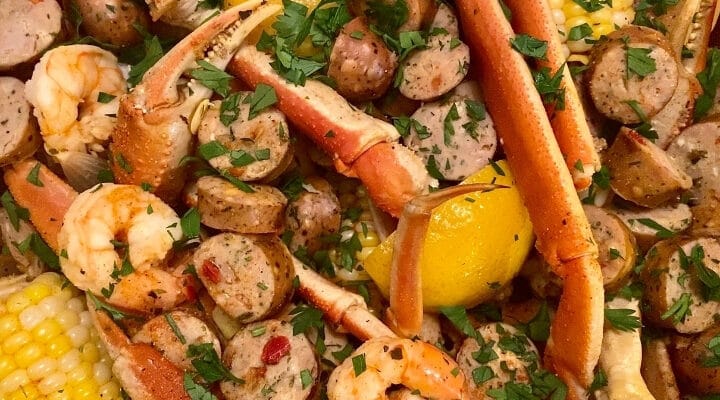
Seafood boil with Garlic butter Sauce is one of the most delicious recipes. This spicy sauce can be added to any seafood boil. You can also use it on the side for dipping the deliciousness in. Seafood Boil Sauce Many people simply throw the cooked Read More

Homemade Unagi Sushi Rolls Original Recipe

Homemade Unagi Sushi Rolls Original Recipe

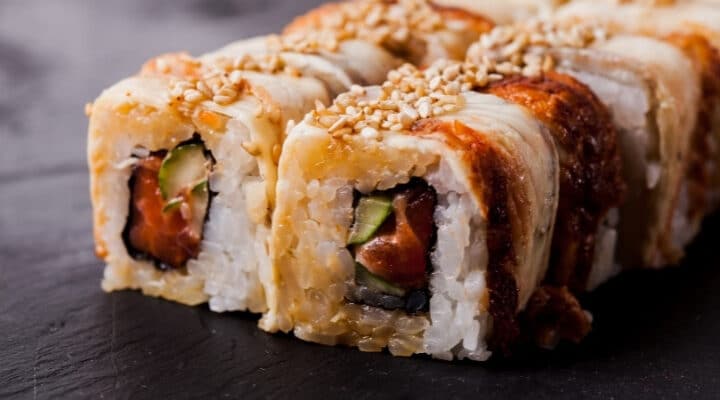
Unagi sushi (Japanese eel) rolls are delicious, rich, and sweet and are an excellent choice for a dinner or lunch that your family and friends will enjoy. A great recipe for making sushi at home. Today, I’m sharing a delicious and well-received Japanese takeout recipe. Read More

Arby’s Bronco Berry Sauce Copycat Easy Recipe

Arby’s Bronco Berry Sauce Copycat Easy Recipe

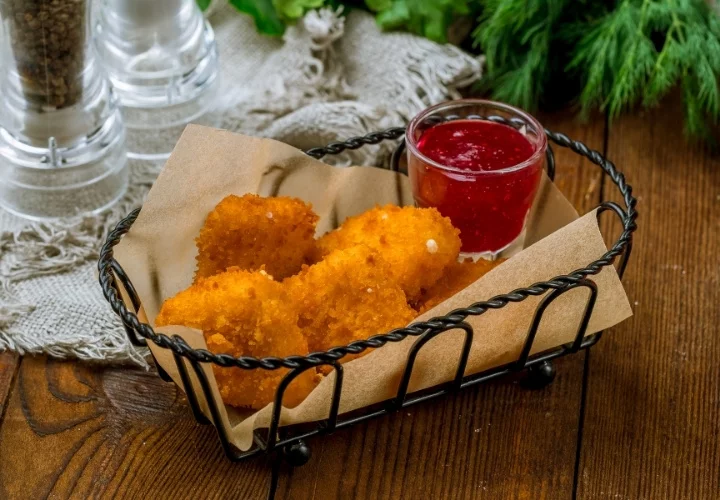
f you’ve ever dipped into Arby’s Bronco Berry Sauce, you know it’s unlike anything else — sweet, tangy, and just a little spicy. Despite the name, there are no berries in this sauce at all. Instead, the flavor comes from a clever combination of red bell peppers, vinegar, sugar, and spices that create a fruity, jam-like sweetness with a subtle kick. The peppers also give it that deep red color, which tricks your eyes and taste buds into expecting berry flavor.

This copycat recipe captures the unique sweet-and-spicy balance that makes the original so addictive. It’s incredibly versatile too — serve it with jalapeño poppers, hot wings, chicken tenders, or even as a dipping sauce for burgers and sandwiches. Once you try it, you’ll understand why this sauce has a cult following.

Ingredients

  • 1 cup water

  • ½ cup ketchup

  • 2 Tbsp brown sugar

  • 4 Tbsp corn syrup

  • 4 Tbsp white vinegar

  • 1 tsp garlic powder

  • ½ tsp paprika

  • Pinch of cayenne pepper

  • 4 Tbsp red bell pepper, minced

  • ½ tsp canned jalapeño peppers, minced

  • 3 Tbsp pectin powder

  • 1 Tbsp cornstarch + 1 Tbsp water (for slurry)


Instructions

1. Blend the base

  • In a blender, combine water, ketchup, brown sugar, corn syrup, vinegar, garlic powder, paprika, cayenne, and pectin powder.

  • Blend for 15–20 seconds until smooth.

2. Simmer

  • Pour the mixture into a small saucepan.

  • Stir in minced red bell peppers and jalapeño peppers.

  • Simmer over medium-low heat for 20 minutes, stirring occasionally.

3. Thicken

  • After 20 minutes, stir in the cornstarch slurry.

  • Continue simmering on low for 10 more minutes, until the sauce thickens to a consistency similar to steak sauce.

4. Cool & store

  • Remove from heat and let cool completely.

  • Transfer to a jar or airtight container. Store in the refrigerator for up to 2 weeks.


Tips & Variations

  • For extra heat, add more jalapeño or cayenne.

  • For a smoother sauce, strain before cooling.

  • Use as a dip for jalapeño poppers, chicken wings, onion rings, or burgers.

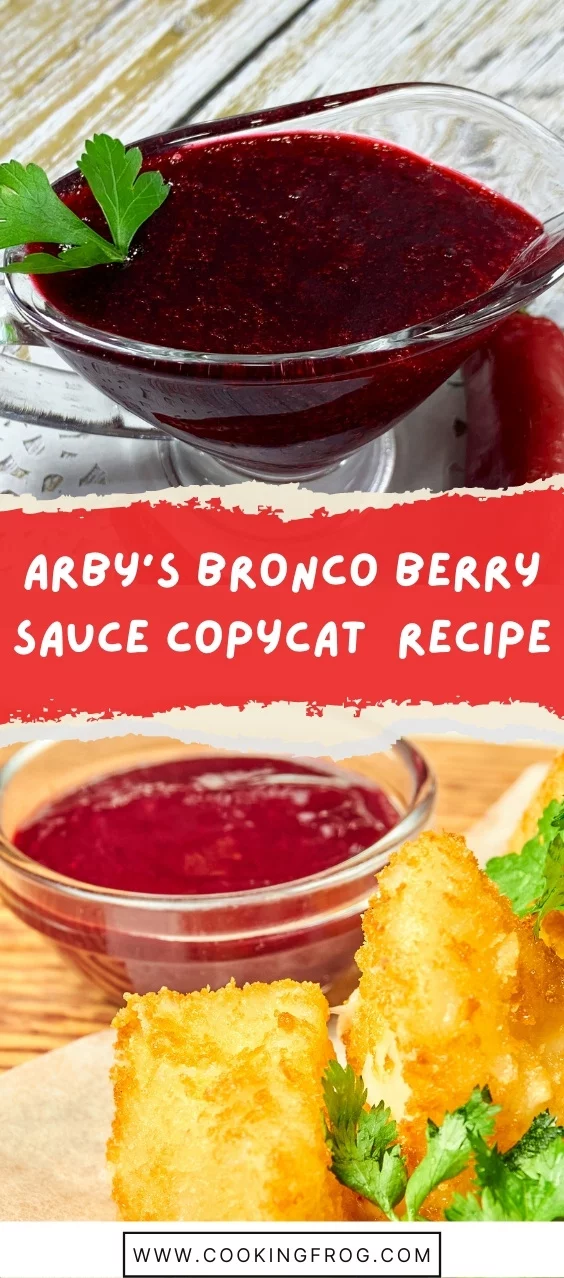
If this recipe for Arby’s Bronco Berry Sauce has got you grinning from ear to ear, why keep it all to yourself? Be the day’s hero, and share the image below on your Pinterest board. Nothing beats a good recipe shared with friends!

Arby's Bronco Berry Sauce Copycat Easy Recipe

Can you buy Arby’s Bronco Berry Sauce in the shops?

Sauces could be described as the heart of good cooking. Each sauce should have a unique flavor. Bronco berry sauce is just that. It has a distinct, tangy taste, and everyone wants to know if they can purchase Arby’s Bronco berry sauce in the shops, but sadly the answer is no. You have to order the food to get it. But as you can see, it can be easily made at home with this recipe. 

Bronco Berry sauce – Make your next party more exciting with this delicious Sauce

Bronco Berry Sauce is a great way to spice up your New Year’s or Christmas party menu. You can make a lot of tasty appetizers using a beautiful red sauce to get everyone excited.

Sandwiches are always a hit at parties, whether toasted and heated or plain bread. Bronco berry sauce can elevate any sandwich to a whole new level, whether it is a snack, a main dish, or a meal for the picnic.

What is Arby’s?

Founded in Ohio in 1960, ‘America’s Roast Beef’ is a renowned American fast-food chain specializing in delicious sandwiches. Various signature sauces, including Red Ranch, Vinaigrette Dressing, and the iconic Bronco Berry Sauce, are available to add an extra burst of flavor to their meals.

In today’s culinary language, the term ‘sandwich‘ has become almost synonymous with ‘Arby’s,’ signifying the brand’s influence and popularity.

However, it’s worth noting that these unique sauces are not typically found on supermarket shelves. Arby’s occasionally offers its sauces for sale, but these are limited-edition offers. These sauces become fond memories once the sale period ends, adding to their allure.

Arby’s is famously recognized for its classic Roast Beef sandwiches and the indulgent Beef ‘n Cheese sandwiches. Its Market Fresh line, featuring crispy chips, French fries, Greek Gyros, and the luscious Jamocha shakes, also attracts a loyal fanbase. Interestingly, the delectable Bronco sauce is available even beyond American borders.

In the Bronco section, you’ll find the Bronco Berry Sauce, a unique red dip perfect for enhancing your finger food experience. This red-colored sauce offers a balanced blend of sweet and sour flavors, and its unique red hue adds an aesthetic appeal to your meal.

Arby’s Bronco Berry Sauce Copycat Video Recipe

Chick-Fil-A Chicken Salad Copycat Recipe

Chick-Fil-A Chicken Salad Copycat Recipe

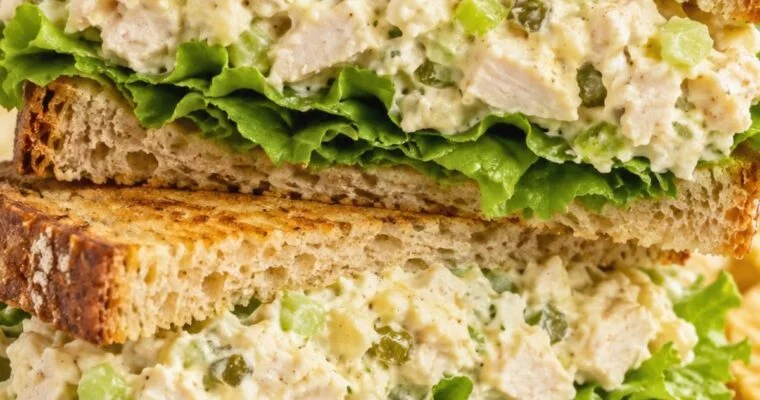
Chick-fil-A may no longer serve its Chicken Salad, but the company still publishes the recipe so fans can make it at home. This version follows that simple formula: cooked chicken, celery, sweet pickle relish, mayonnaise, and hard-boiled eggs, pulsed just enough to create the fine, Read More