Easy and Delicious Recipes

Recent Posts

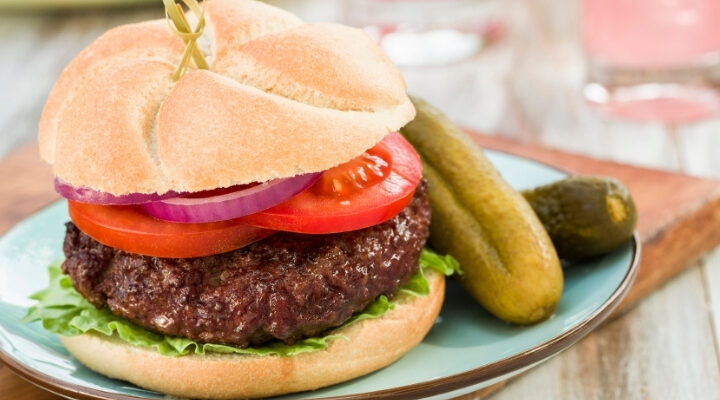
Easy Air Fryer Hamburgers Recipe

Easy Air Fryer Hamburgers Recipe

Air fryer hamburgers are delicious, juicy, fast, and easy to make! Having an air fryer to make hamburgers is a super-fast way to make this classic. Don’t get me wrong, I still enjoy grilled burgers, also. But perhaps there isn’t a grill available, or the Read More
Dr.Pepper Short Ribs (Braised)

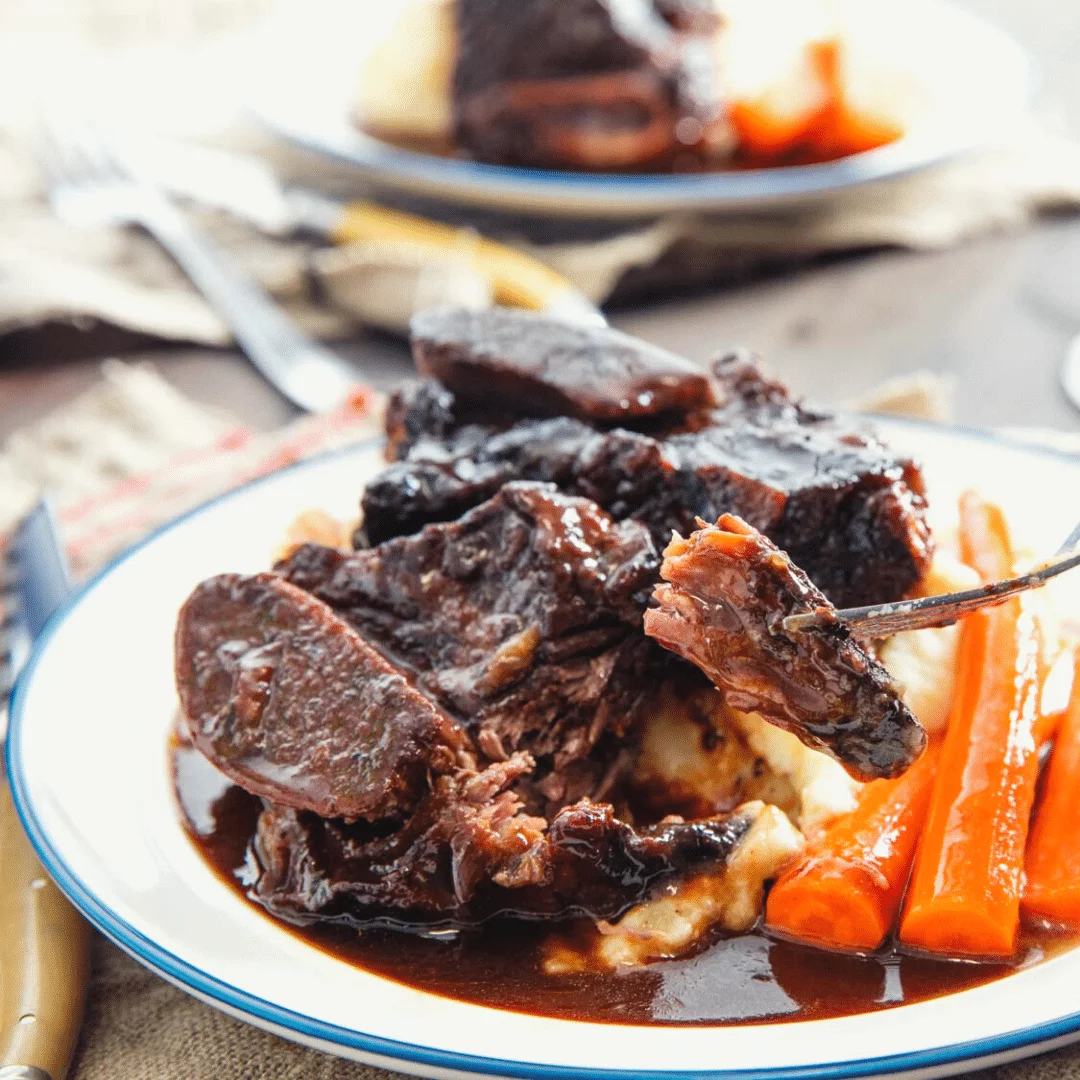
Dr.Pepper Short Ribs (Braised)

These Dr Pepper short ribs braise slowly with carrots, pepperoncini, and cloves in a sweet-savory sauce. Searing the beef first adds browned flavor, while the covered oven braise makes it tender enough to pull apart with a fork. Once the ribs are ready, skim the Read More

Easy Hibachi Chicken with Fried Rice Recipe

Easy Hibachi Chicken with Fried Rice Recipe

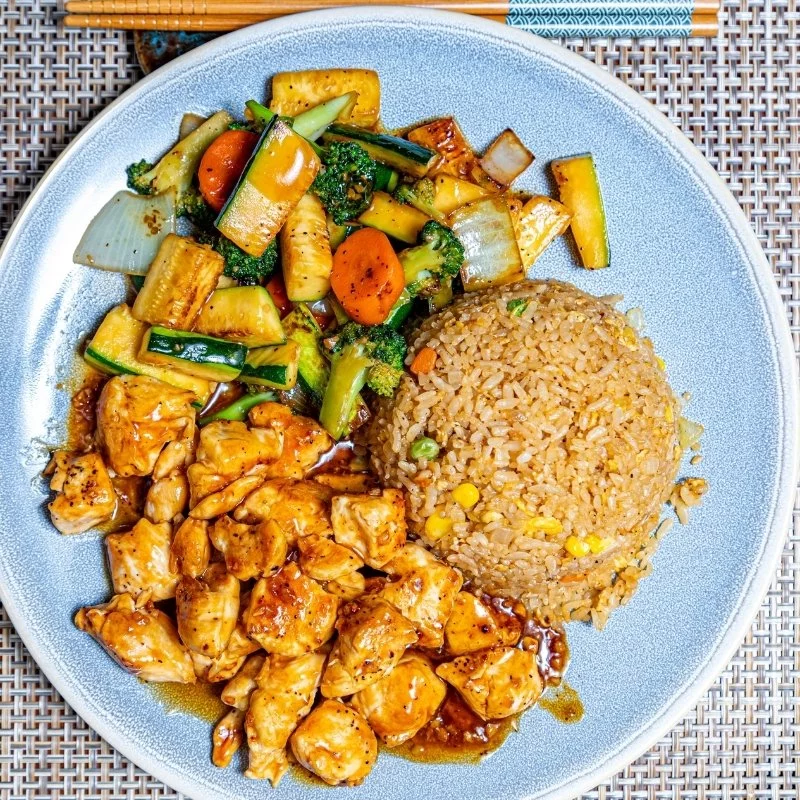
This Hibachi Chicken with Fried Rice is a full chicken dinner that is delicious! With vegetables made restaurant-style, fried rice, and very tender chicken, this hibachi recipe is served with a mustard dipping that is a spicy sauce that teleports you to the Japanese kitchen!

If you’ve visited a Hibachi restaurant, you understand that you’re set for both dinner and a presentation! Initially, I went with my family when I was a teen, and now it is a fun date-night restaurant we like to go to a couple of times a year.

If you’re unfamiliar with Japanese Hibachi or teppanyaki, picture sitting around a sizable, hot hibachi grill in which a chef is standing in the middle, preparing a dinner comprised of meat or seafood, vegetables, and rice. While he makes it, he’s entertaining people with food, knife tricks, and some jokes. It’s fun, and the meals are delicious!

Many times, the terms teppanyaki and hibachi are used as the same, however, traditionally, hibachi is made on a barbecue-type grill using charcoal or gas, and teppanyaki is cooked on a griddle.

Ingredients

For the Fried Rice

  • 4 cups cooked rice (preferably day-old for best texture)

  • 2 Tbsp avocado oil

  • 1 tsp sesame oil

  • 1 cup frozen mixed vegetables

  • ½ cup diced onion

  • 2 large eggs, lightly beaten

  • 4 Tbsp soy sauce

For the Chicken

  • 1 lb chicken breast, cut into bite-size pieces

  • 1 Tbsp avocado oil

  • 1 ½ tsp sesame oil

  • 3 Tbsp soy sauce

  • 1 tsp lemon juice

  • 1 Tbsp butter

  • Salt and pepper, to taste

For the Vegetables

  • 1 Tbsp avocado oil

  • 1 ½ tsp sesame oil

  • 1 large onion, sliced

  • 1 large zucchini, sliced

  • 2 cups baby bella mushrooms, sliced

  • 1 Tbsp butter

  • Salt and pepper, to taste

For the Mustard Sauce

  • 2 Tbsp sesame seeds, lightly toasted

  • 2 Tbsp dry mustard

  • 2 tsp honey

  • ½ cup half-and-half

  • 1 Tbsp hot water

  • ¼ cup soy sauce

  • 1 clove garlic, minced


Instructions

1. Make the Fried Rice

  1. Heat avocado oil and sesame oil in a large skillet or wok over medium-high heat.

  2. Add frozen vegetables and diced onion; sauté for about 3 minutes until the onions begin to soften.

  3. Push the vegetables to the side of the skillet. Add the beaten eggs to the empty space and scramble until just cooked through.

  4. Stir the vegetables and eggs together, then add the soy sauce. Cook for 1 more minute.

  5. Pack the fried rice into bowls to keep warm while you prepare the rest of the meal.

2. Cook the Chicken

  1. In the same skillet used for the rice, heat avocado oil and sesame oil over medium-high heat.

  2. Add the chicken, soy sauce, lemon juice, butter, salt, and pepper.

  3. Cook for 5–6 minutes, stirring only occasionally so the chicken can develop a nice sear.

  4. Once fully cooked, transfer to a plate and keep warm.

3. Sauté the Vegetables

  1. Heat avocado oil and sesame oil in a separate skillet over medium heat.

  2. Add onion, zucchini, mushrooms, butter, salt, and pepper.

  3. Cook for 6–7 minutes until the vegetables are tender.

4. Make the Mustard Sauce

  1. In a blender, combine toasted sesame seeds, dry mustard, honey, half-and-half, hot water, soy sauce, and minced garlic.

  2. Blend until smooth.

5. Serve

  • Arrange fried rice, chicken, and vegetables on plates. Drizzle with mustard sauce and sprinkle with extra sesame seeds if desired.


Freezer-Friendly Instructions

  1. Cool Completely: Allow chicken, vegetables, and rice to cool before freezing.

  2. Portion: Store each component separately in airtight freezer-safe containers or freezer bags.

  3. Freeze: Up to 2 months for best quality.

  4. Reheat: Thaw overnight in the refrigerator. Reheat in a skillet over medium heat, adding a splash of water or broth to prevent drying out.

💡 Tip: The mustard sauce can be made ahead and stored in the fridge for up to 5 days but doesn’t freeze well due to the dairy content.

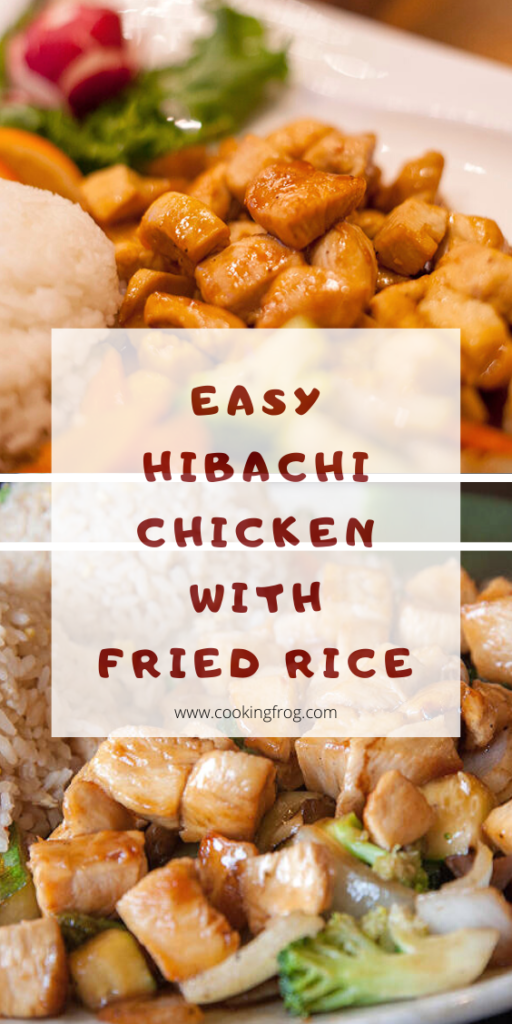
Pin the image below if you like this Japanese Hibachi Chicken Recipe!

Easy Hibachi Chicken with Fried Rice


Easy Keto Mason Jar Ice Cream

Easy Keto Mason Jar Ice Cream

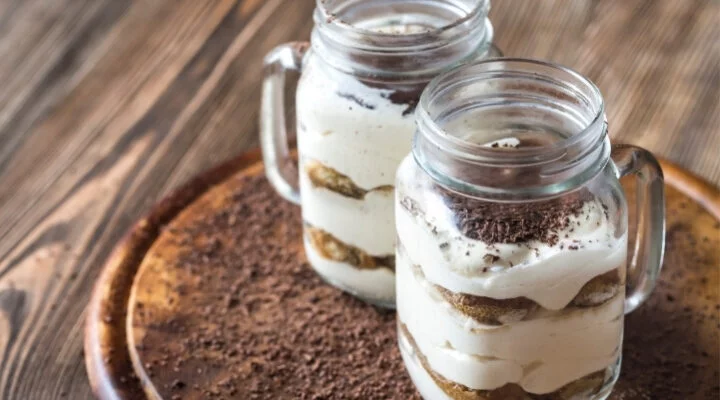
Who can resist the allure of ice cream? Equally, finding someone who doesn’t appreciate a simple and quick recipe is rare. We’ve ingeniously combined these universal loves into our Keto Mason Jar Ice Cream, delivering both delight and convenience right to your kitchen. A Fusion Read More

Air Fryer Pork Tenderloin with Brown Sugar Rub

Air Fryer Pork Tenderloin with Brown Sugar Rub

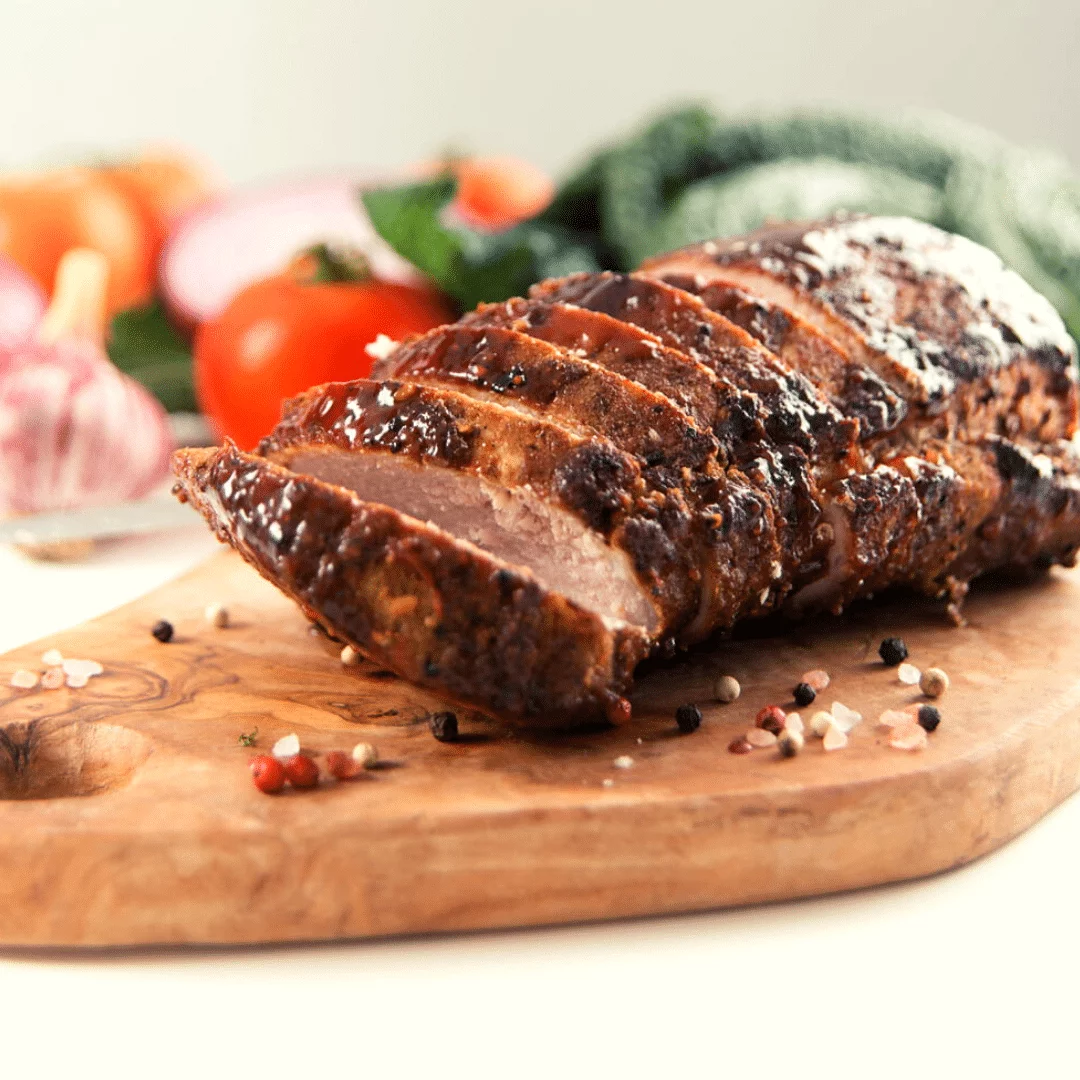
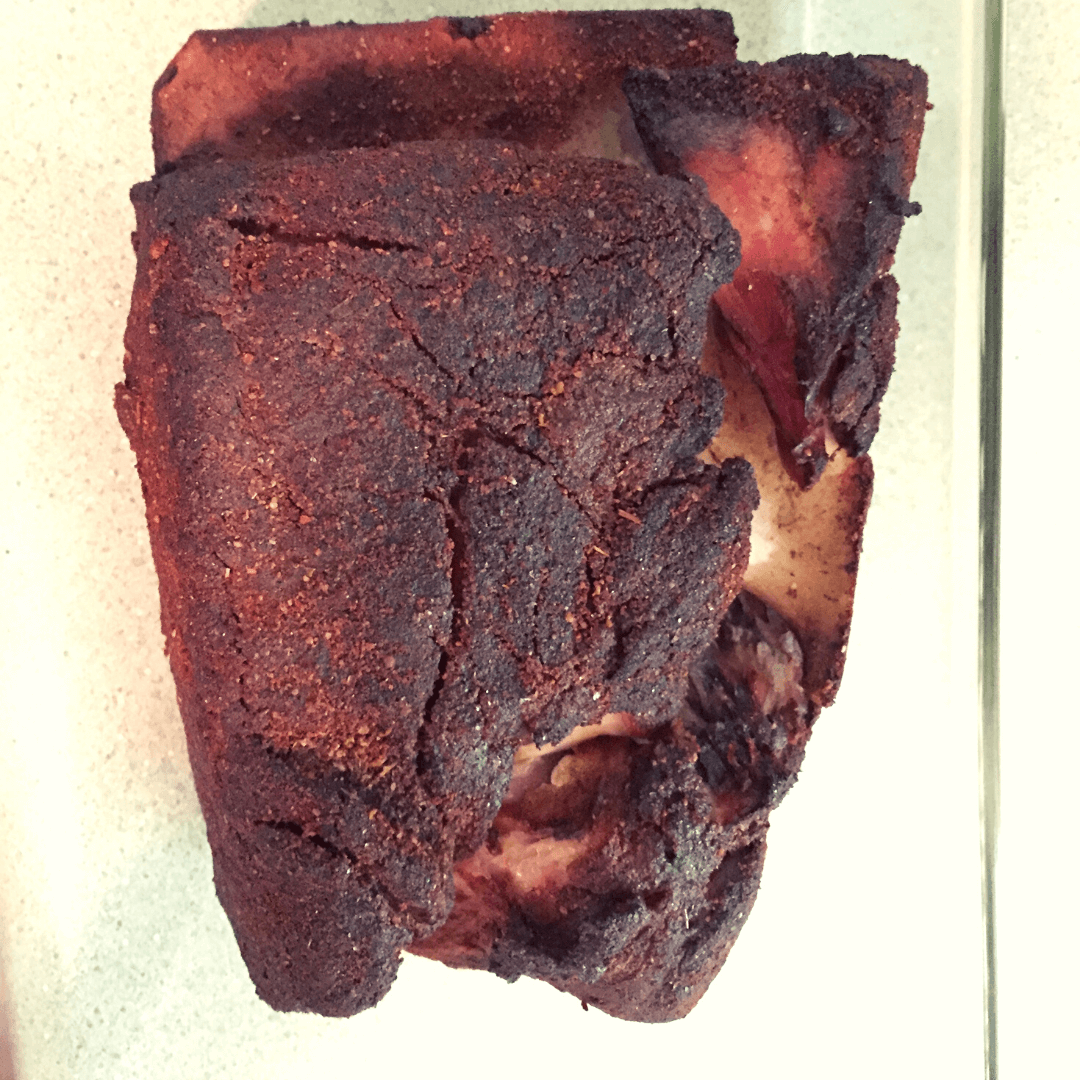
This air fryer pork tenderloin has a sweet, smoky coating made with brown sugar, smoked paprika, and ground mustard. Patting the pork dry helps the rub adhere, while checking the thickest part with a thermometer keeps the lean meat from overcooking. Let it rest before Read More

Garlic Parmesan Creamy White Sauce

Garlic Parmesan Creamy White Sauce

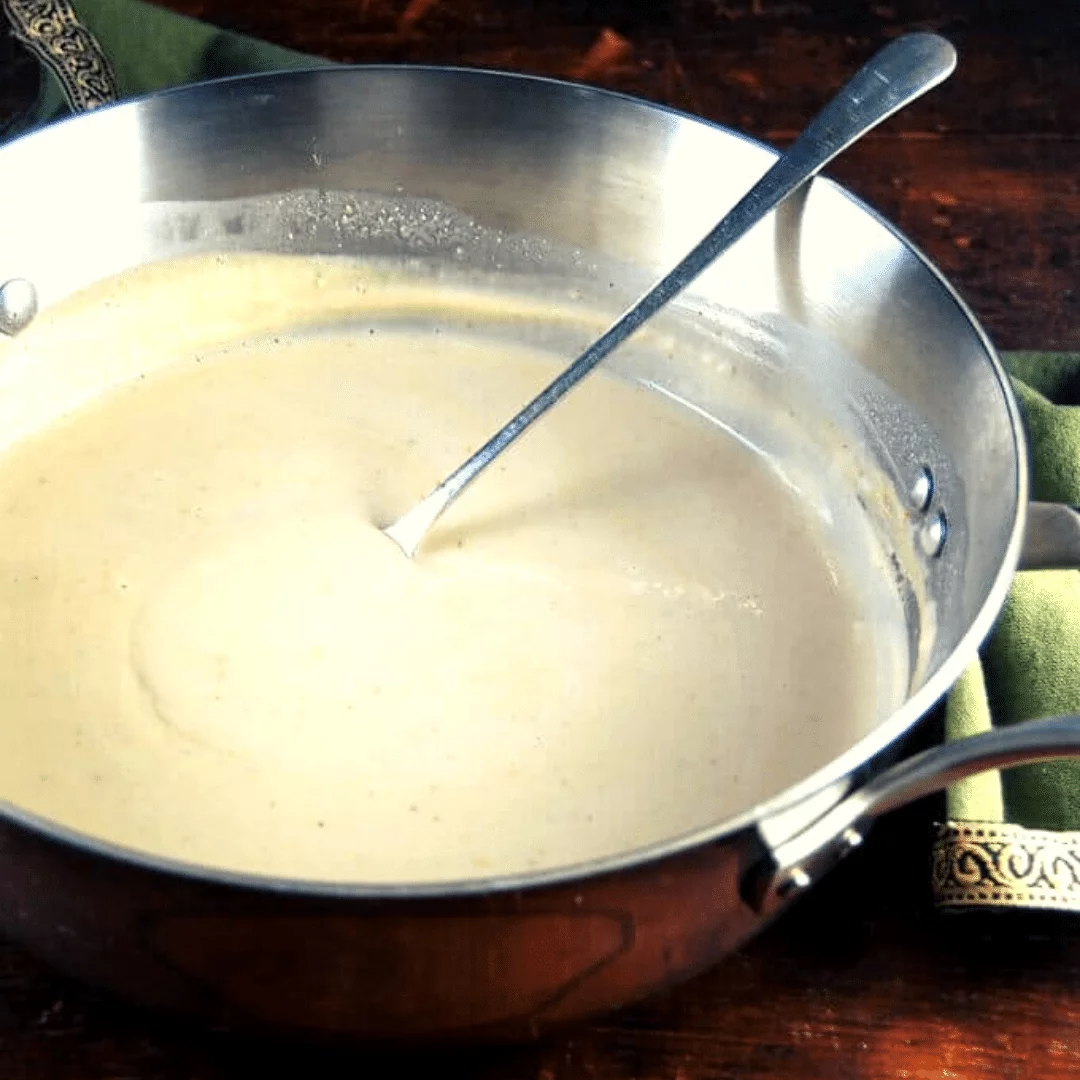
This heavenly Garlic Parmesan White Sauce has amazing flavors from Parmesan cheese and garlic. Combined with pasta, pour it over some roasted veggies; great as a dipping sauce as well as pizza sauce.

I like to make a sauce that serves multiple purposes. If you like a sauce for all that can be utilized as many things, for dressing roasted veggies, like pasta sauce, that may go with chicken wings as a dipping sauce, lobster ravioli, or put it to use as pizza sauce, ideal in any manner you wish to use it. 

Garlic Parmesan Creamy White Sauce

Garlic and Parmesan cheese are the secret ingredients that can make any dish taste like a culinary work of art.

Garlic and Parmesan cheese can give your dishes a burst of flavor. This dynamic duo will take your cooking to new heights and make your taste buds tingle.

It’s easy and satisfying to make a garlic Parmesan white sauce. You’ll start by making a roux with butter and flour, which will be the base and thickener. Then, you’ll add milk, broth, Parmesan cheese, seasonings, and, if you like, a bit of heavy cream for extra richness.

It’s reminiscent of Olive Garden’s Alfredo sauce but with a distinct twist.

Keep an eye on the sauce as it cooks because it will start to thicken quickly, and you’ll want to take it off the heat just before it reaches the right consistency.

This sauce can be made ahead of time and kept in the refrigerator for 15 days or in a freezer for around 6 months. So, even on your busiest weeknights, you can enjoy a tasty meal.

When you’re ready to use it, heat it up and thin it with milk or stock. You can use it as a pasta sauce, a dipping sauce, or even as a topping for your favorite dishes. The options are endless!

So, why settle for ordinary meals when you can have a flavorful feast every night? Use the magic of garlic and Parmesan cheese to take your cooking to new levels!

Garlic Parmesan Creamy White Sauce

Rich, cheesy, and irresistibly garlicky, this creamy white sauce turns any dish into comfort food bliss. Pour it over pasta, drizzle on roasted vegetables, spoon onto chicken, or use it as a decadent dip—your taste buds will thank you.


Ingredients

  • 4 Tbsp unsalted butter

  • 1 tsp garlic powder (or 6–7 roasted garlic cloves for deeper flavor — see roasted garlic option below)

  • 2 Tbsp all-purpose flour

  • 1 cup whole milk (full-fat)

  • 1 cup low-sodium chicken broth

  • ½ cup freshly grated Parmesan cheese

  • ⅓ tsp salt, or to taste

  • ½ tsp freshly ground black pepper, or to taste


Instructions

  1. Melt the Butter
    In a medium saucepan over medium heat, melt the butter completely.

  2. Add Garlic
    Stir in garlic powder and cook for 4–5 seconds, just until fragrant.
    Tip: If using roasted garlic, mash it into the butter at this stage for a richer flavor.

  3. Make the Roux
    Lower the heat to medium-low. Add the flour and whisk constantly for about 1 minute, until lightly golden and no longer raw.

  4. Add Liquids
    Gradually whisk in the milk to avoid lumps, followed by the chicken broth. Continue whisking until the sauce thickens to your desired consistency.

  5. Add Cheese & Seasonings
    Stir in Parmesan cheese, salt, and pepper. Cook just until the cheese melts and the sauce is smooth.

  6. Serve
    Pour over pasta, vegetables, grilled chicken, or anything that needs a creamy, garlicky upgrade.


Optional: How to Make Roasted Garlic Parmesan Cream Sauce

For a sweeter, more mellow garlic flavor:

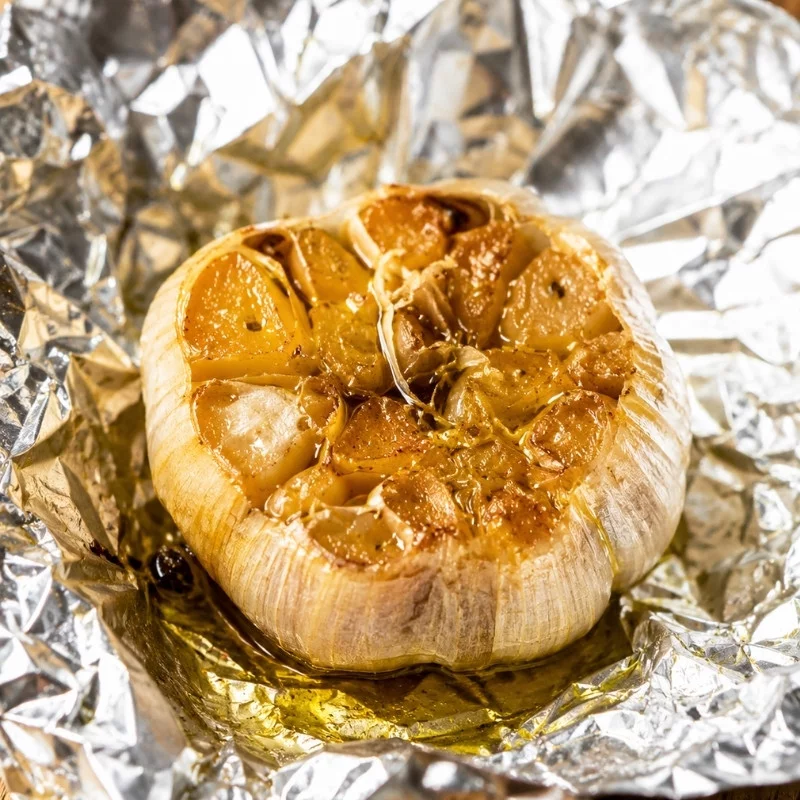
  1. Slice the top off a whole garlic bulb to expose the cloves.

  2. Place on a piece of aluminum foil, drizzle with olive oil, and wrap tightly.

  3. Roast at 400°F (200°C) for 20–25 minutes, until fragrant and soft.

  4. Squeeze out the roasted garlic paste and mash it into the butter in Step 2.

roasted garlic in foil


Freezer-Friendly & Make-Ahead Tips

Make Ahead:

  • Prepare the sauce up to 3 days in advance and store it in an airtight container in the refrigerator. Reheat gently over low heat, adding a splash of milk if it has thickened.

Freezing:

  • Let the sauce cool completely, then transfer to a freezer-safe container or heavy-duty freezer bag. Freeze for up to 2 months.

  • Thaw overnight in the fridge, then reheat slowly over low heat, whisking to restore creaminess. Adding a bit of fresh milk or cream can help smooth it out. 

Get ready to add some culinary flavor to your Pinterest board! If you think the combination of garlic and parmesan in a creamy sauce is irresistible, it’s time to share the love. Use the image below to tell people about this tasty sauce. Let’s make your online collection of recipes the talk of the food world!

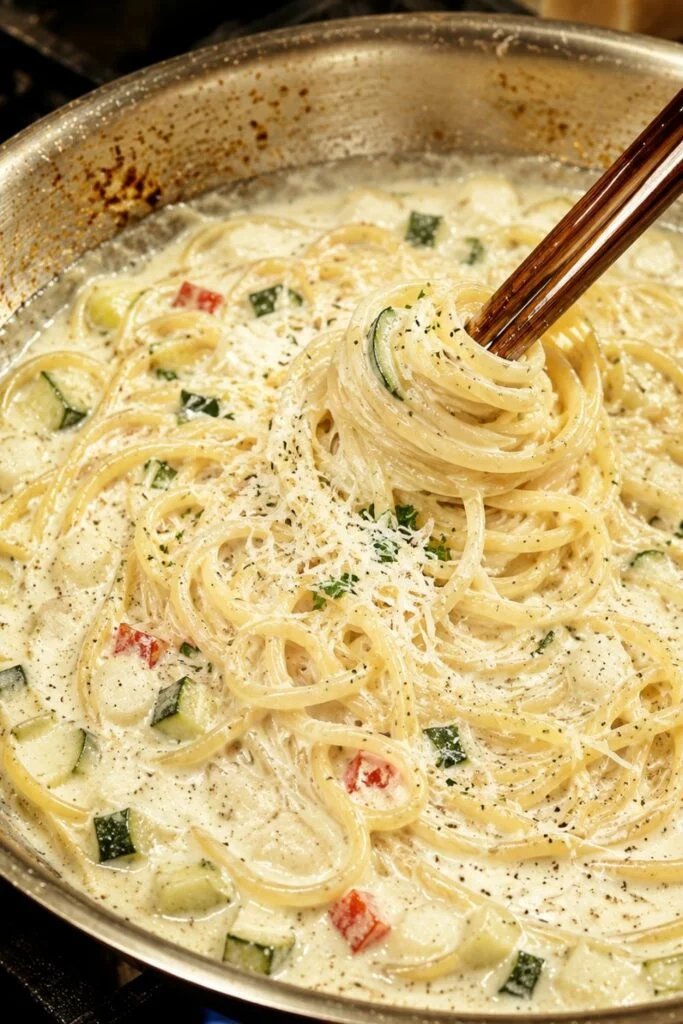
Garlic Parmesan Creamy White Sauce and spaghetti


Best Way to use Garlic Parmesan White Sauce

This garlic Parmesan white sauce is extremely versatile and may be used as:

Is Garlic Parmesan Sauce Gluten-Free?

We are using flour to thicken the sauce, so it’s not gluten-free. But, if you’re considering a gluten-free sauce, instead of all-purpose flour, use cornstarch.

The Best Way to Store Garlic Parmesan Sauce?

The best way to store this sauce is in the fridge for approximately 15 days, and it could be frozen for up to 6 months.

Sous Vide BBQ Pulled Pork Shoulder Recipe

Sous Vide BBQ Pulled Pork Shoulder Recipe

Sous Vide BBQ Pulled Pork Shoulder slow cooked for 24 hours, and finished a smokey barbecue leading to probably the most tender and juicy pulled pork you’ve tasted. Like the majority of sous vide recipes, two-step cooking process is the thing. The two-step cooking is Read More

El Pollo Loco Chicken Recipe (Copycat)

El Pollo Loco Chicken Recipe (Copycat)

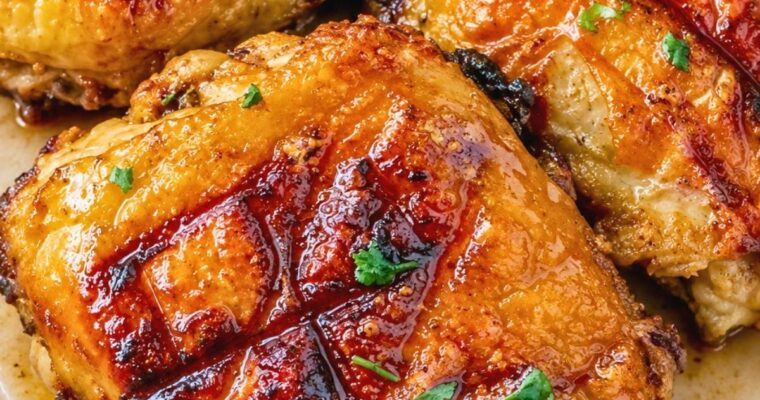
This El Pollo Loco chicken copycat uses pineapple juice, lime, garlic, and oregano to season bone-in chicken thighs overnight. Roast them skin-side up, or use the grill option below for a lightly charred finish. Use canned pineapple juice for the long marinade, and drain the Read More

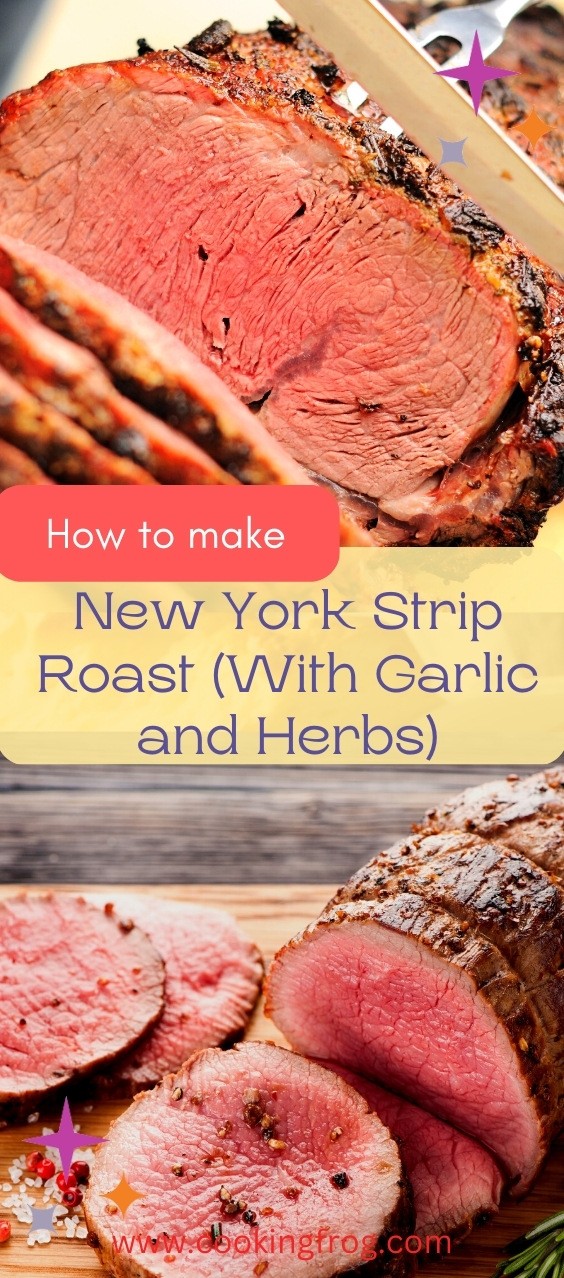
New York Strip Roast Recipe (With Garlic and Herbs)

New York Strip Roast Recipe (With Garlic and Herbs)

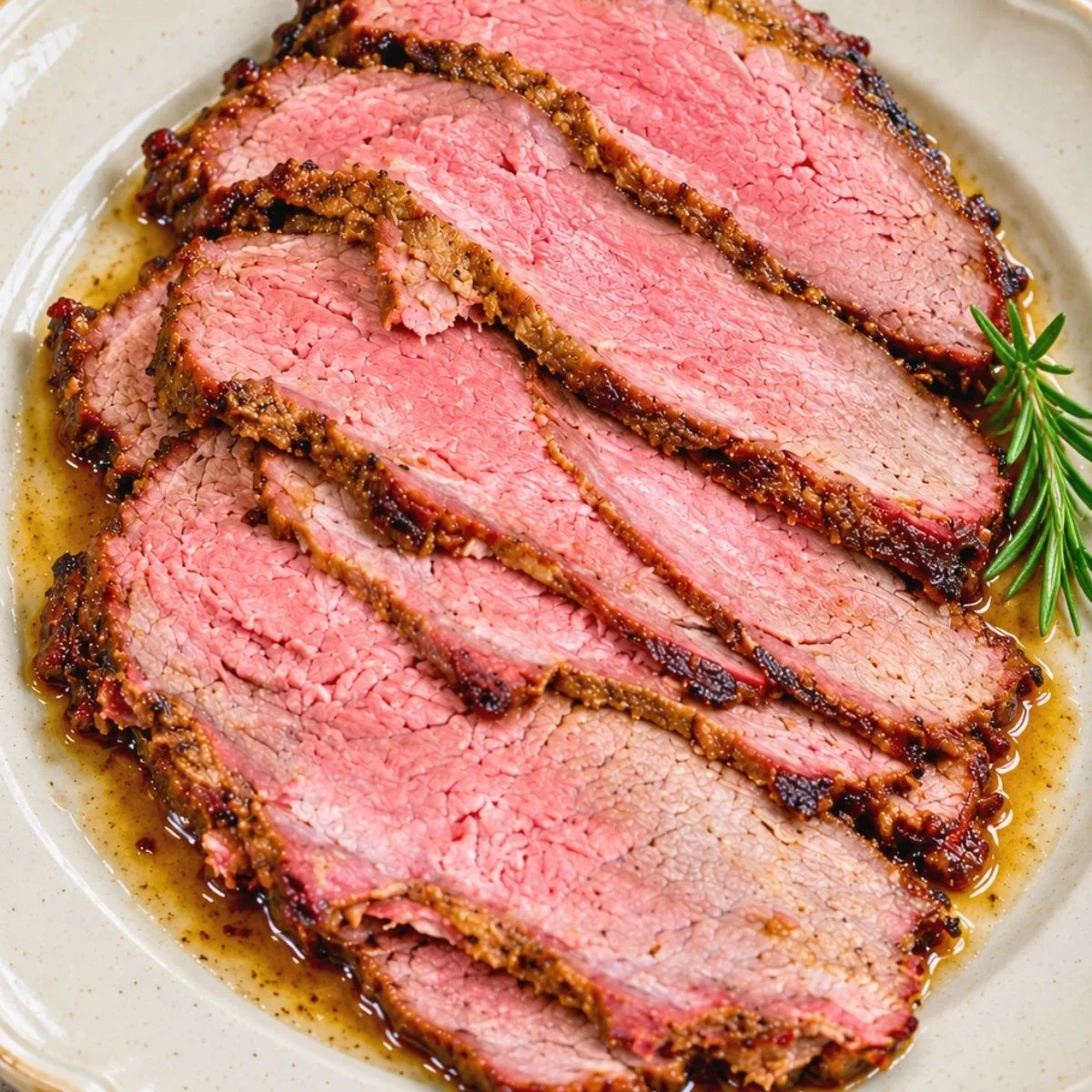
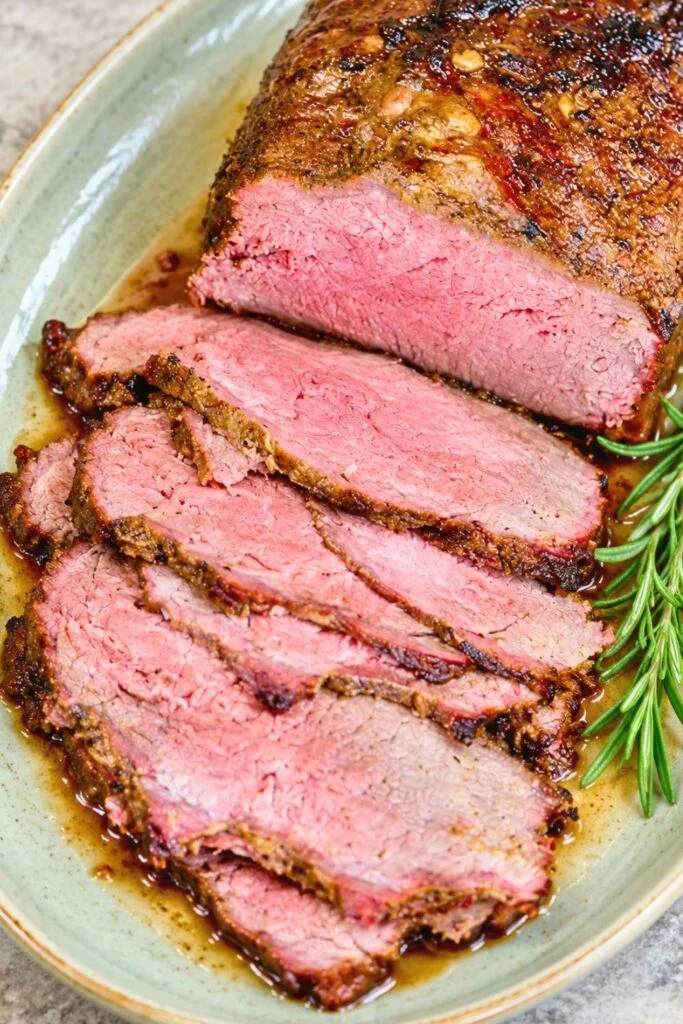
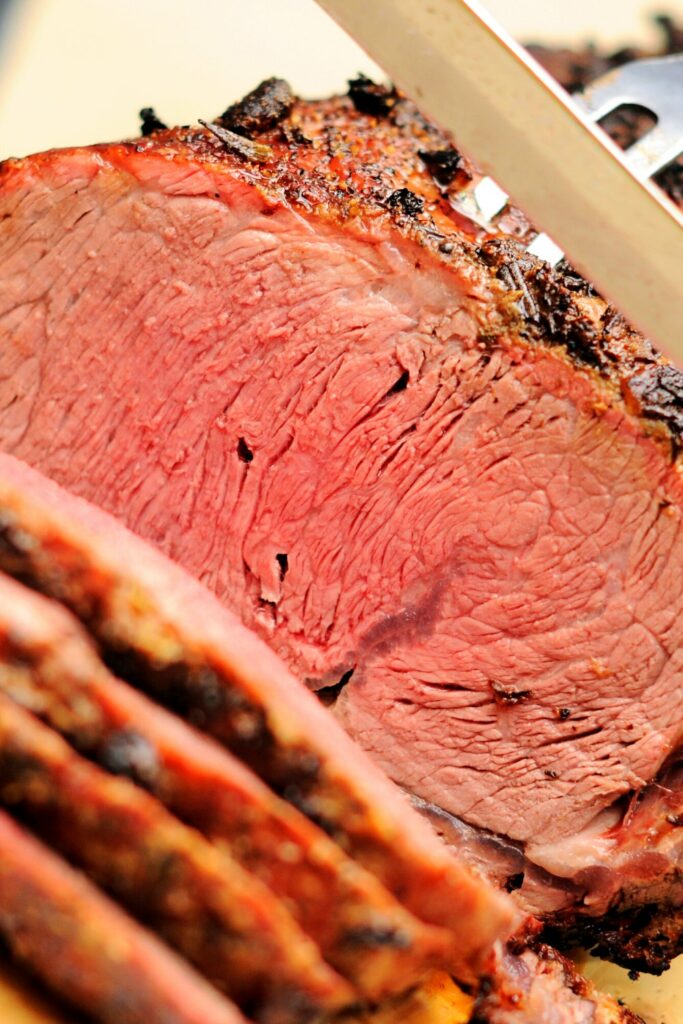
This New York strip roast is coated with garlic, rosemary, thyme, and sage, then roasted with a short high-heat start to brown the outside. The oven temperature is lowered to finish cooking the center without scorching the herb coating. Season it the night before, and use a meat thermometer to judge doneness rather than relying on minutes per pound.

A strip roast is the larger cut used to make New York strip steaks. It works well for a holiday dinner when you want sliced roast beef with a garlic-and-herb crust.

Ingredients

  • 1 boneless New York strip roast, about 7 pounds (3.2 kg)
  • 8 garlic cloves, peeled
  • 2–3 tablespoons fresh thyme leaves
  • 2–3 tablespoons fresh rosemary leaves, woody stems removed
  • 9 fresh sage leaves
  • ⅓ cup (80 ml) extra virgin olive oil
  • 1½ tablespoons Morton coarse kosher salt (about 22 g; see note)
  • 1 tablespoon cracked black pepper

Salt note: Kosher salt brands have different crystal sizes. The volume above is for Morton coarse kosher salt. If using another brand, weigh out 22 g rather than substituting the same spoonfuls.

Servings: Approximately 12–14 with side dishes

Instructions

  1. Prepare the roast: Pat the beef dry with paper towels. If the fat cap is very thick, trim it to approximately ¼ inch, leaving a thin, even layer. If the roast has a loose or uneven shape, tie it with kitchen twine at roughly 2-inch intervals so it holds together during roasting.
  2. Make the herb paste: Pulse the garlic, thyme, rosemary, and sage in a food processor until finely chopped. Add a little oil from the measured ⅓ cup if needed to help the blades move. Transfer to a bowl and stir in the remaining oil, salt, and pepper. Without a food processor, finely chop the garlic and herbs by hand.
  3. Season and refrigerate: Spread the paste evenly over the roast, including the sides and ends. Place it in a rimmed dish, cover, and refrigerate for 8–24 hours.
  4. Prepare the oven and pan: Remove the roast from the refrigerator while the oven preheats to 450°F (230°C). Unwrap it and place it fat-side up on a rack in a shallow roasting pan. It does not need to reach room temperature. Insert an oven-safe probe thermometer into the center of the thickest part, avoiding large pockets of fat.
  5. Start at high heat: Roast uncovered for 15 minutes. Without removing the beef, lower the oven temperature to 350°F (175°C).
  6. Finish roasting: Continue cooking until the center reaches 145°F (63°C). Begin checking after about 1 hour of total oven time, and confirm the temperature in more than one spot near the center. For planning, allow approximately 1½–2¼ hours total roasting time, including the high-heat start. Thickness, starting temperature, and oven performance can change the timing. If the garlic and herbs become dark before the center is ready, loosely shield the top with foil.
  7. Rest and carve: Transfer the roast to a carving board and tent loosely with foil. Rest for 20 minutes, then remove any twine. Slice across the grain into approximately ¼- to ½-inch slices. Spoon the juices collected on the board over the sliced beef.

New York Strip Roast Recipe (With Garlic and Herbs)


Oven-Baked

Roast at 450°F (230°C) for 15 minutes, then lower the oven to 350°F (175°C). Cook until the center reaches 145°F (63°C), then rest for 20 minutes before slicing. Follow the main recipe above for timing and preparation.

Grilling

  1. Prepare: Heat the grill to 350–375°F (175–190°C), leaving an area without direct heat.
  2. Cook: Place the seasoned roast fat-side up over that area and close the lid. Allow roughly 1½–2½ hours, checking from 1 hour. Cook until the center reaches 145°F (63°C).
  3. Rest: Tent loosely with foil for 20 minutes, then slice across the grain.

Keep the roast away from flames so the garlic and herbs do not burn.

Choosing a Beef Roast

Use a boneless New York strip roast for this recipe. Beef tenderloin is leaner, standing rib roast is generally fattier, and rump roast is less tender.


Roast Temperature and Doneness

The recipe uses the USDA recommendation for beef roasts: 145°F (63°C) before removing the meat from the oven, followed by at least a 3-minute rest. The longer rest in this recipe also allows time to finish the side dishes before carving.

The internal temperature can continue rising during resting. The amount varies with the roast’s size, shape, and cooking temperature, so do not assume it will rise by a fixed number of degrees.

Lower temperatures commonly used for medium-rare roast beef fall below the USDA recommendation. The cooking endpoint here has been chosen to follow that guidance.

Tips for a Better Strip Roast

  • Choose an evenly shaped roast. A piece with reasonably consistent thickness cooks more evenly than one with a very thin end. Look for some marbling within the meat rather than judging it only by the outer fat cap.
  • Keep the herb coating even. Thick clumps of garlic on top can burn while the meat underneath is still cooking. Spread the paste over the whole surface.
  • Keep the roast uncovered during cooking. A tightly covered pan traps steam and softens the crust. Use a loose foil shield only if the top is getting too dark.
  • Identify the grain before seasoning. Notice the direction of the muscle fibers so you can cut across them when carving. Thin slices are particularly useful for sandwiches the next day.

New York Strip Roast Recipe (With Garlic and Herbs)

What to Serve with New York Strip Roast

Serve the sliced roast with creamy mashed potatoes and roasted carrots or steamed green beans.

For a holiday meal, classic green bean casserole is another option. Plan its oven time separately because the roast starts at a higher temperature. Prepared horseradish or a spoonful of Dijon mustard also works alongside the beef.

Make Ahead and Freezing

Season ahead: The overnight seasoning step can be done up to 24 hours before roasting. Keep the beef refrigerated until you are ready to preheat the oven.

Freeze before cooking: Wrap the seasoned raw roast tightly, then place it in a freezer bag or add a protective layer of foil. Freeze for up to 2 months for best quality. Thaw completely on a tray in the refrigerator before roasting. A roast this size may need several days, so check that the center has thawed rather than assuming one night is enough.

Storage and Reheating

Refrigerate: Divide leftover beef into smaller portions and refrigerate in shallow, covered containers within 2 hours of cooking, or within 1 hour if the temperature is above 90°F (32°C). Use within 3–4 days.

Reheat: Arrange slices in a baking dish with a small splash of beef broth or water. Cover and heat in a 325°F (165°C) oven until the beef reaches 165°F (74°C). Reheating will cook the meat further, so warm only what you plan to serve. Properly refrigerated leftovers can also be sliced thinly and served cold in sandwiches.

Freeze cooked leftovers: Pack portions with any saved juices in airtight freezer containers or bags. Freeze for up to 3 months for best quality, then thaw in the refrigerator before using.

Follow USDA guidance for storing and reheating leftovers.

Can I Use a Bone-In Strip Roast?

Yes, but the roasting estimate above is written for a boneless roast. Bone-in cuts can differ in shape and thickness, so monitor the center temperature and keep the thermometer away from the bone. The same total weight also provides less boneless meat.

For easier carving, ask the butcher to remove the bones and tie them back onto the roast; remove them after resting.

New York Strip Roast Recipe (With Garlic and Herbs)

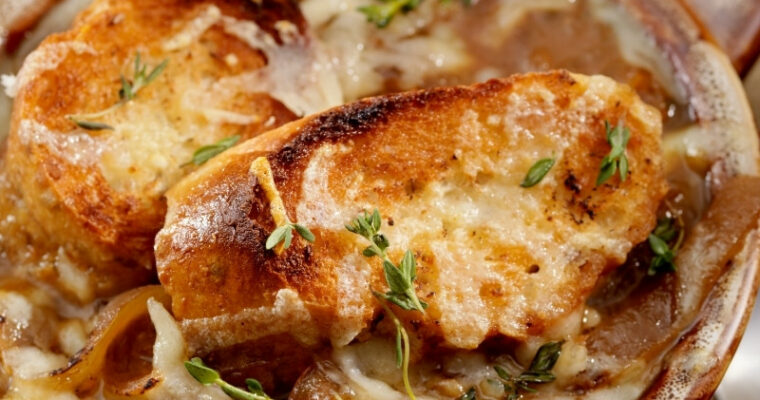
Healthy French Onion Soup for Cold Weather

Healthy French Onion Soup for Cold Weather

French onion soup is a timeless classic that has been loved for generations. Built on a base of slowly caramelized onions and a savory broth, it’s finished with the irresistible pairing of toasted bread and melted cheese. Simple yet deeply flavorful, this dish is perfect Read More