Easy and Delicious Recipes

Author: Sarah Berthold

Juicy Italian Marinated Chicken Breasts

Juicy Italian Marinated Chicken Breasts

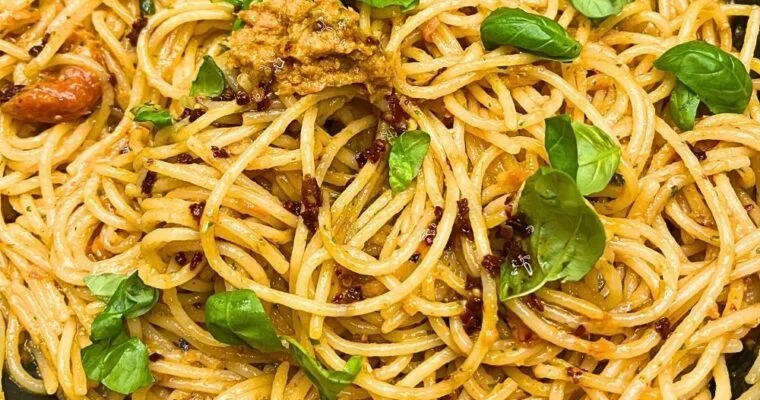
Some nights I just want dinner to behave: no complicated steps, no long list of ingredients, just something juicy and full of flavor. That’s where this Italian marinated chicken comes in. You stir together a quick basil pesto marinade, throw in a few chicken breasts Read More

Quick Pickled Cherry Tomatoes

Quick Pickled Cherry Tomatoes

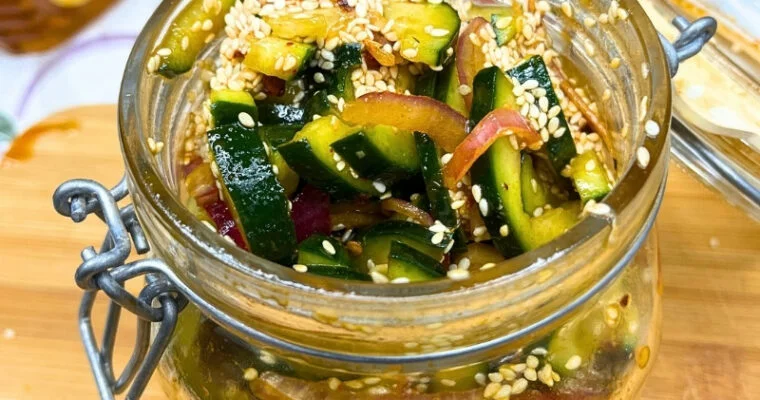
Somehow I always end up with a bowl of cherry tomatoes on the counter that all ripen at once. Instead of watching them wrinkle, I turn them into pickled cherry tomatoes – crisp, tangy little bites swimming in a simple apple cider vinegar brine with Read More

Beer-Braised Pork Medallions with Mushroom Onion Sauce

Beer-Braised Pork Medallions with Mushroom Onion Sauce

You know those nights when you want something that tastes like you’ve gone out to a cozy little pub, but you’re absolutely not in the mood for a complicated recipe? That’s exactly how these Beer-Braised pork medallions with creamy mushroom onion sauce were made.

Juicy slices of pork tenderloin are pan-seared until golden, then simmered in a rich beer and beef stock sauce with soft onions and hearty cremini mushrooms. It’s easy comfort food, but it feels like you’ve actually put in way more effort than you did.

Savory pork medallions in rich sauce

Ingredients

For the pork

  • 1 pork tenderloin (about 1–1 1/4 lb / 450–550 g)

  • 1/2 tsp fine salt

  • 3/4 tsp freshly ground black pepper

  • 3/4 tsp paprika (sweet or smoked)

  • 3/4 tsp garlic powder

  • 3/4 tsp onion powder

For the sauce

  • 1 tbsp olive oil

  • 2 tbsp unsalted butter, divided

  • 1 large yellow onion, halved and thinly sliced

  • 1/2 tsp salt, plus more to taste

  • 4–5 oz cremini mushrooms, quartered (about 1 1/2 cups)

  • 2 cloves garlic, minced

  • 1/8–1/4 tsp red pepper flakes (optional, to taste)

  • 1 tsp Dijon mustard

  • 2 tsp soy sauce (or tamari)

  • 1/2 cup beer (lager, amber, or brown ale)

  • 3/4 cup low-sodium beef stock

  • 1 1/2 tsp cornstarch

  • 2 tbsp cold water

  • 2 tbsp chopped fresh parsley, for garnish


Instructions

  1. Prepare the pork

    • Trim away any visible fat and silverskin from the pork tenderloin.

    • Slice into 1-inch thick medallions and pat dry with paper towels.

  2. Season the medallions

    • In a small bowl, combine the salt, pepper, paprika, garlic powder and onion powder.

    • Sprinkle the seasoning over both sides of each medallion, pressing it in lightly so it sticks.

  3. Sear the pork

    • Heat a large skillet over medium-high heat.

    • Add the olive oil and 1 tablespoon of butter.

    • When the fat is hot and shimmering, add the medallions in a single layer without crowding (cook in batches if needed).

    • Sear for about 3 minutes on the first side, until nicely browned, then flip and cook another 2 minutes.

    • Transfer the medallions to a plate; they will finish cooking in the sauce.

  4. Cook the onions and mushrooms

    • Reduce the heat to medium.

    • Add the remaining 1 tablespoon of butter to the skillet.

    • Stir in the sliced onion, sprinkle with the 1/2 teaspoon of salt, and cook for 4–5 minutes, stirring occasionally, until softened and lightly golden.

    • Add the mushrooms and cook for another 4 minutes, until they release their moisture and start to brown.

    • Stir in the minced garlic and cook for about 30 seconds, just until fragrant.

  5. Deglaze and build the sauce

    • Stir in the red pepper flakes (if using), Dijon mustard and soy sauce.

    • Pour in the beer and beef stock, scraping up any browned bits from the bottom of the pan.

    • Bring to a gentle simmer and cook for 10–12 minutes, stirring occasionally, until the alcohol cooks off and the liquid reduces slightly.

  6. Thicken the sauce

    • In a small bowl, whisk together the cornstarch and cold water until completely smooth.

    • While the sauce is gently simmering, slowly pour in the slurry, whisking or stirring constantly.

    • Cook for 1–2 minutes, until the sauce thickens and coats the back of a spoon.

    • If it becomes too thick, add a splash of stock or water to loosen.

  7. Finish the medallions

    • Return the pork medallions and any juices from the plate to the skillet.

    • Nestle them into the sauce and spoon mushrooms and onions over the top.

    • Simmer gently for 2–3 minutes, or until the pork is just cooked through and reaches an internal temperature of about 145°F (63°C).

  8. Garnish and serve

    • Taste the sauce and adjust seasoning with more salt or pepper, if needed.

    • Remove from the heat, sprinkle with chopped parsley and serve hot over mashed potatoes, rice, buttered noodles, or with crusty bread.

Pin it for later! 🧡
Save and share the image below to your favorite Pinterest board so you can find this recipe anytime.

Beer Braised Pork Tenderloin Medallions with Mushroom Gravy

Video Recipe

How to Store & Reheat Leftovers

Fridge:
Let the pork and sauce cool to room temperature, then transfer to an airtight container. Store in the fridge for up to 3 days. The sauce will thicken as it chills – that’s normal.

Reheating on the stove (best texture):

  • Add the pork medallions and sauce to a skillet.

  • Warm over low to medium-low heat, stirring the sauce and flipping the medallions occasionally.

  • If the sauce looks too thick, stir in a splash of water, beef stock, or a little extra beer until it loosens up.

  • Heat just until the pork is warmed through; avoid boiling so it stays tender.

Reheating in the microwave:

  • Place a portion of pork and sauce in a microwave-safe dish and cover loosely.

  • Heat in 30–40 second bursts, stirring the sauce and flipping the pieces in between, until hot.

  • Add a small spoonful of water or stock if the sauce looks too thick or dry.

Freezing:
Because of the cornstarch and the onion-mushroom sauce, the texture can change a bit after freezing, but it still works if you need to:

  • Cool completely, then transfer to a freezer-safe container or bag.

  • Freeze for up to 2 months.

  • Thaw overnight in the fridge, then reheat gently on the stove with a splash of stock or water to bring the sauce back to life.

Make-ahead tip:
You can slice and season the pork medallions a few hours in advance and keep them covered in the fridge. When you’re ready to cook, everything comes together quickly in one pan, making this an easy option for a weeknight dinner or casual date night at home.

Raw Raspberry Coconut Cake (No-Bake, Vegan & Gluten-Free)

Raw Raspberry Coconut Cake (No-Bake, Vegan & Gluten-Free)

This raw raspberry–coconut cake is one of those desserts that looks fancy, tastes like summer, and doesn’t ask you to turn on the oven. You get a chewy almond–date crust, a bright raspberry–coconut cream layer, and a gorgeous natural color from fruit only. It’s naturally Read More

How to Make Ajvar: Roasted Red Pepper Spread (Large Yield)

How to Make Ajvar: Roasted Red Pepper Spread (Large Yield)

If you grew up anywhere near the Balkans, you know ajvar is autumn in a jar: sweet, smoky peppers, a whisper of eggplant, and a glossy finish of good oil. This version follows the classic flow—roast → peel → drain → cook—so you get deep Read More

Honey Butter Chicken (Skillet, 20 Minutes)

Honey Butter Chicken (Skillet, 20 Minutes)

Honey Butter Chicken is the kind of one-pan dinner that makes weeknights feel easy again. Hot skillet, light seasoned coating, quick sear; then a buttery honey glaze that picks up a little tang from apple cider vinegar and depth from soy. It finishes glossy, not sticky-sweet, and clings to the chicken like a thin caramel.

You get contrast in every bite—crisp edges, juicy center, and a sauce that runs just enough to coat rice or soak into roasted or mashed potatoes. It’s fast (about 20 minutes), uses pantry staples, and doesn’t ask for a marinade or an oven—just heat, space in the pan, and a minute of patience for that deep golden crust.

Honey Butter Chicken Skillet 20 Minutes 2

Ingredients

Chicken

  • 1.3 lb boneless, skinless chicken thighs or breasts, cut into bite-size pieces
    (Thighs: 1¼–1½ in / 3–4 cm; Breasts: 1 in / 2.5 cm)

  • 1/3 cup all-purpose flour (50 g)

  • 1 tsp kosher salt

  • 1/2 tsp onion powder

  • 1/2 tsp garlic powder

  • 1/2 tsp black pepper

  • 1 tbsp unsalted butter

  • 1 tbsp olive oil

Honey-Butter Glaze

  • 1/3 cup honey (110 g)

  • 5 tbsp unsalted butter, cut into pieces (75 g)

  • 2 tbsp apple cider vinegar

  • 1 tbsp soy sauce

  • Pinch kosher salt and black pepper, to taste

Optional (for flavor & garnish)

  • 1/2–1 tsp red pepper flakes or hot honey

  • 2 tbsp thinly sliced scallions or chopped chives

  • 1 tsp toasted sesame seeds or crushed roasted peanuts/cashews

  • Fine zest of 1/2 lemon or lime


Instructions

  1. Prep the chicken
    Trim and pat dry.

    • Thighs: cut into 1¼–1½ in (3–4 cm) pieces.

    • Breasts: cut into 1 in (2.5 cm) cubes.

  2. Seasoned flour
    In a bowl, whisk the flour, salt, onion powder, garlic powder, and black pepper.

  3. Coat
    Add chicken and toss until lightly coated; shake off excess.
    Pro tip: Let the coated chicken sit 5 minutes so the flour hydrates and clings better.

  4. Sear
    Heat a large skillet over medium-high. Add 1 tbsp butter + 1 tbsp olive oil until shimmering. Spread chicken in a single layer (work in batches if needed).

    • Thighs: Sear 3–4 minutes first side until deep golden; flip and cook 2–3 minutes more.

    • Breasts: Sear 2½–3 minutes first side; flip and cook 1½–2½ minutes more.
      Pieces should have crisp edges and reach 165°F / 74°C internally. Transfer chicken to a plate; reduce heat to medium.

  5. Make the glaze
    In the same skillet, melt the remaining 5 tbsp butter. Stir in honey, apple cider vinegar, soy sauce, and a pinch of salt & pepper. Simmer 1–2 minutes, stirring, until glossy and the thickness of thin caramel.

  6. Coat & finish
    Return chicken (plus any juices) to the pan; toss to lacquer. Taste and adjust seasoning. Add red pepper flakes or hot honey if you want gentle heat.

  7. Serve
    Plate immediately. Garnish with scallions, sesame seeds or crushed nuts, and citrus zest. Great with jasmine rice, mashed potatoes, or charred green beans.

Yield: 4 servings
Prep Time: 10 minutes
Cook Time: 12–14 minutes
Total: ~22–24 minutes

Don’t lose it—pin the image below and keep this honey butter chicken in your rotation.

20 Min One Pan honey butter chicken

Notes & Swaps

  • Thighs vs. breasts: Breasts work—cut into 1-inch cubes and reduce sear time by ~1 minute per side to avoid drying.

  • Extra crispy option: After tossing in seasoned flour, let chicken sit 5 minutes so the flour hydrates and clings better.

  • Heat lovers: Add 1/2–1 tsp red pepper flakes or a drizzle of hot honey to the glaze.

  • Gluten-free: Swap flour for fine rice flour or cornstarch (cornstarch crisps beautifully).

Honey Butter Chicken Video

Slow Cooker BBQ Brisket (Sticky, Juicy & Caramelized)

Slow Cooker BBQ Brisket (Sticky, Juicy & Caramelized)

Here’s the kind of brisket I make when I want guaranteed praise with almost no fuss: a slow cooker BBQ brisket that finishes in the oven so the sauce turns shiny and caramelized. The rub lays down a savory-sweet base, the slow cooker melts the Read More

Fall-Apart Braised Chuck Roast Recipe

Fall-Apart Braised Chuck Roast Recipe

A braised chuck roast is the kind of dinner that makes the whole home feel cozy. This Dutch oven pot roast simmers low and slow with onions, carrots, garlic, and a handful of fresh herbs until the beef turns fork-tender and the pan sauce becomes Read More

Apricot Honey Glazed Ham Recipe

Apricot Honey Glazed Ham Recipe

A good holiday ham should be tender, glossy, and impossible to walk past without sneaking a slice. This apricot honey glazed ham checks every box. It starts with a fully cooked spiral ham and a quick stovetop glaze—apricot preserves, honey, brown sugar, Dijon, and butter—that bakes into a golden, lightly caramelized finish. The result is a sweet-tangy, savory crust over juicy, perfectly warmed slices.

If you’re planning a Christmas ham, Easter centerpiece, or a make-ahead main for a crowd, this spiral ham recipe is simple, reliable, and beautifully photogenic. You’ll brush on the glaze in stages for maximum shine and flavor, let it rest to stay succulent, then spoon over the pan juices so every plate gets a little extra gloss. Pair it with potatoes, green vegetables, and warm rolls, and you’ve got a centerpiece that feels special without being fussy.

Apricot Honey Glazed Ham Recipe 2

Ingredients

  • 11.5 lb fully cooked bone-in spiral-cut ham (10–15 lb range)

  • ½ cup apricot preserves

  • ¼ cup honey

  • ¼ cup packed brown sugar

  • ¼ cup Dijon mustard

  • 3 Tbsp unsalted butter

Optional: Add a pinch of ground cloves or black pepper for a deeper flavor.


Instructions

1. Bring the Ham to Room Temperature

  • Remove ham from the fridge and let it sit, covered, at room temperature for 2 hours.
    (If using a smaller 6–7 lb ham, 1 hour is enough.)

  • Preheat oven to 325°F (160°C).

  • Position rack in the lower third of the oven.


2. Make the Apricot Honey Glaze

  • In a small saucepan, combine:

    • Apricot preserves

    • Honey

    • Brown sugar

    • Dijon mustard

    • Butter

  • Place over medium heat and whisk until butter melts.

  • Bring to a light simmer and cook for 1 minute, whisking constantly.

  • Remove from heat — glaze should be smooth and slightly runny, like warm honey.


3. First Glaze & Bake

  • Line a roasting pan with foil for easy cleanup.

  • Place ham cut-side down in the pan.

  • Brush with ⅓ of the glaze.

  • Cover tightly with foil.

  • Bake at 325°F (160°C) for 10–11 minutes per pound
    (around 2 hours for an 11.5 lb ham),
    until the internal temperature reaches 110°F (43°C).

Note: The ham is already cooked. You’re only reheating it gently.


4. Second Glaze

  • Increase oven temperature to 425°F (220°C).

  • Remove foil.

  • Brush another ⅓ of the glaze over the ham.

  • Bake uncovered for 10 minutes.


5. Final Glaze & Caramelization

  • Brush on the remaining glaze.

  • Return to oven and bake uncovered for 10 more minutes,
    or until glaze is bubbling and golden.

  • Internal temperature should reach 130–135°F (54–57°C).

  • Once out of the oven, it will rise to 140°F (60°C) — perfect serving temperature.


6. Rest & Serve

  • Transfer ham to a platter.

  • Let it rest 15–20 minutes before slicing.

  • Strain pan juices through a fine sieve.

  • Skim off fat, then spoon juices over slices before serving.


  • Prep Time: 15 minutes

  • Cook Time: 2 hours 20 minutes

  • Total Time: 2 hours 35 minutes

  • Servings: 20

Planning a holiday menu? Pin this apricot-honey ham so it’s ready when you are.

Apricot Honey Glazed Ham Recipe 3

Tips for Best Results

  • Heat gently to keep the ham juicy.

  • Use a thermometer to avoid overcooking.

  • Add flavor twists with:

    • 1 Tbsp orange juice

    • 1 Tbsp bourbon

    • A pinch of cinnamon or cloves


Make Ahead & Storage

  • Make Ahead:
    Prepare glaze up to 3 days ahead. Store in fridge and reheat gently before using.

  • Leftovers:
    Refrigerate sliced ham in an airtight container for up to 4 days.

  • Freeze:
    Wrap tightly and freeze up to 2 months.

  • Reheat:
    Cover slices with foil and warm at 300°F (150°C) until heated through.
    Add a spoonful of pan juices to keep them moist.


What to Serve With Apricot Honey Glazed Ham

  • Creamy mashed potatoes or scalloped potatoes

  • Roasted Brussels sprouts or green beans

  • Buttery dinner rolls or cornbread

  • Cranberry sauce or roasted carrots

FAQ – Apricot Honey Glazed Ham

What internal temperature should a fully cooked spiral ham reach?

  • Heat to 130–135°F (54–57°C) in the oven. It will rise to about 140°F (60°C) while resting, which is ideal for serving.

How long do I bake a spiral ham?

  • About 10–11 minutes per pound at 325°F (160°C), covered, until it reaches 110°F inside. Then glaze and finish at 425°F for caramelization.

Do I need to bring the ham to room temperature first?

  • Yes. 1–2 hours at room temp (depending on size) helps it heat evenly and stay juicy.

Should I cover the ham while baking?

  • Yes, for the first stage. Cover tightly with foil to prevent drying. Uncover only for the glazing/caramelizing steps.

Why place the ham cut-side down?

  • It helps retain moisture and prevents the cut surface from drying out.

Do I need to score the ham?

  • Spiral hams are already cut, so scoring isn’t necessary. If using a non-spiral ham, light scoring helps the glaze penetrate.

My glaze is too thick or too thin—how do I fix it?

  • Too thick: Whisk in 1–2 tsp water or orange juice over low heat.

  • Too thin: Simmer 1–2 minutes longer to reduce, or whisk in 1–2 tsp brown sugar.

Can I use something other than apricot preserves?

  • Yes. Try peach, orange (marmalade), pineapple, or apple jelly. Keep total sugar roughly the same.

Can I reduce the sugar?

  • You can cut honey/brown sugar by up to 25%. The glaze will be less glossy and slightly less caramelized.

Can I add bourbon or spice?

  • Add 1–2 Tbsp bourbon to the glaze and simmer 1–2 minutes.

  • For heat, add ¼–½ tsp red pepper flakes or a dash of hot sauce.

Is the recipe gluten-free?

  • Yes, generally—just confirm your Dijon and preserves are certified gluten-free.

Can I use a boneless ham?

  • Yes. Follow the same method and temperatures; boneless often heats slightly faster. Start checking temperature 15–20 minutes earlier.

What if my ham isn’t spiral cut?

  • Score a diamond pattern about ¼-inch deep, and follow the same glaze schedule.

How do I keep the ham from drying out?

  • Bring to room temp, cover during the main bake, use a probe thermometer, and avoid overshooting the final temp.

How much ham do I need per person?

  • For bone-in ham, plan ¾–1 lb per person. Leftovers are popular, so err on the generous side for holidays.

Can I cook this in a slow cooker?

  • Yes. Heat on LOW for 3–4 hours, brushing with glaze 2–3 times. Finish under the broiler for 2–4 minutes to caramelize (watch closely).

What about a convection oven?

  • Reduce to 300°F (150°C) convection for the covered stage. Start checking temp 15–20 minutes earlier. Keep the 425°F finish for caramelization.

What if the glaze starts to burn at 425°F?

  • Tent loosely with foil and finish baking, or lower to 400°F (205°C) and extend by 3–5 minutes.

Can I use the seasoning packet that came with the ham?

  • You can, but the apricot–honey–Dijon glaze offers fresher flavor and better shine. Skip the packet or use it as a light base under this glaze.

How long should the ham rest?

  • 15–20 minutes. Resting lets juices settle and finishes the carryover to 140°F.

How do I slice and serve a spiral ham neatly?

  • Cut along the natural spiral slices, then run a knife around the bone to release sections. Spoon strained pan juices over slices.

Make-ahead tips?

  • Glaze can be made 2–3 days ahead; refrigerate and warm gently before using.

  • You can also bake to 110–115°F, cool, refrigerate up to 1 day, then rewarm covered at 300°F (150°C) to 125–130°F and finish with glaze at high heat.

Classic Green Bean Casserole Recipe

Classic Green Bean Casserole Recipe

If you’re looking for a classic green bean casserole that tastes just like the one you grew up with, this recipe has you covered. It’s creamy, cozy, and layered with all the familiar flavors that make it a must-have holiday side dish for Thanksgiving or Read More